
What Is Heavy Ion Therapy
Heavy ion therapy is an advanced radiation therapy technique for tumors. It uses carbon ion beams accelerated to extremely high speeds that enter the body to precisely irradiate tumor cells. Compared with conventional X-ray radiotherapy, heavy ion therapy delivers stronger energy concentration and higher tumor cell-killing capability, making it especially suitable for certain solid tumors that are deeply located, close to critical organs, difficult to operate on, or insensitive to conventional radiotherapy.
Both protons and heavy ions belong to particle radiotherapy. Proton therapy excels in precise dose distribution, while heavy ion therapy, building on precision, also exhibits a stronger biological cell-killing effect.
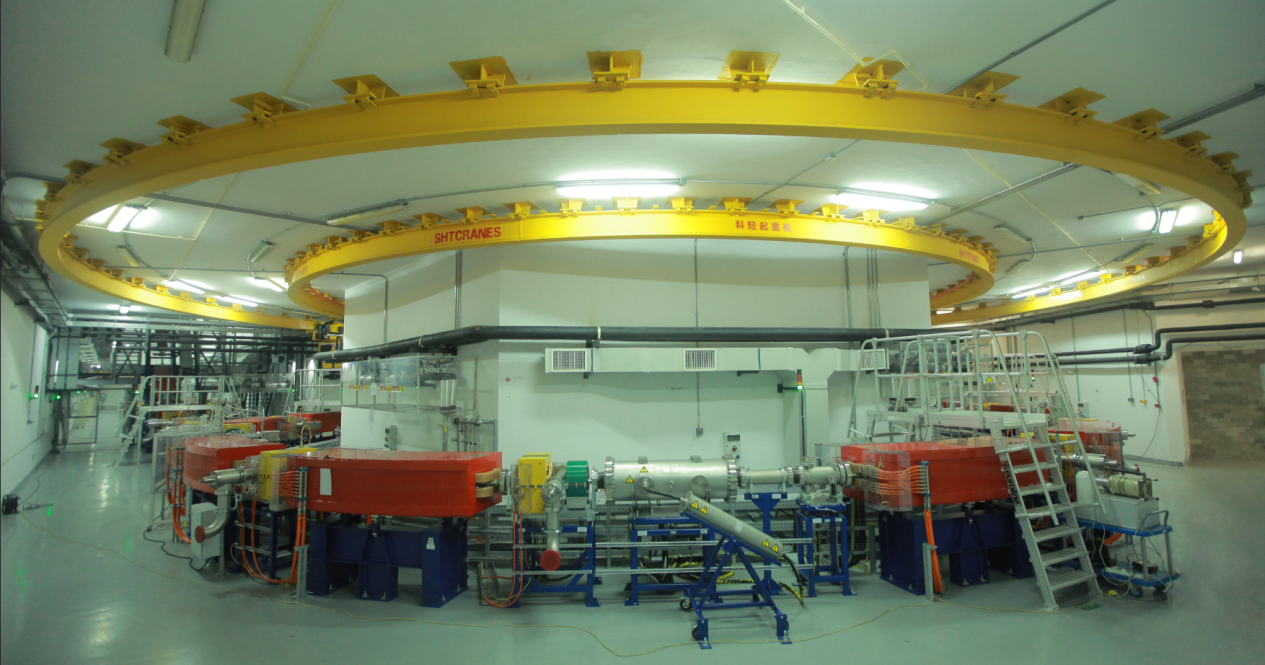
The Core Principle of Heavy Ion Therapy: The Bragg Peak
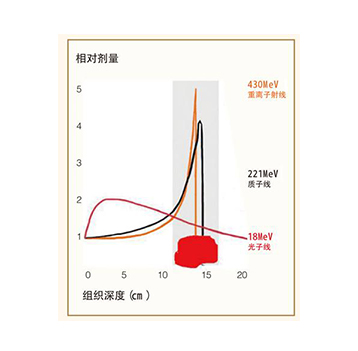
The key advantage of heavy ion therapy comes from the “Bragg peak.” After entering the body, the carbon ion beam does not continuously release a large amount of energy along its path the way conventional X-rays do; instead, it releases maximum energy concentrated at the depth where the tumor is located, after which the dose drops off rapidly.
This characteristic allows doctors to concentrate a high dose on the tumor while reducing radiation exposure to the normal tissues in front of and behind it. For tumors located near critical organs, such as those in the brain, head and neck, lungs, liver, pancreas, prostate, and pelvis, this dose distribution holds very important clinical value.
Biological Advantages of Heavy Ions
Heavy ions not only irradiate more precisely but also kill more potently. The carbon ion beam causes more complex damage to tumor cell DNA, making it harder for tumor cells to repair, and therefore providing greater value for certain radioresistant tumors, hypoxic tumors, recurrent tumors, and refractory tumors.
Conventional photon radiotherapy mainly relies on indirect damage to kill tumor cells, whereas heavy ion therapy can create a higher density of energy deposition, causing stronger direct destruction of tumor cells. The relative biological effectiveness (RBE) of heavy ions is higher than that of conventional photon radiotherapy, offering advantages for radioresistant tumors such as osteosarcoma and adenoid cystic carcinoma.
Which Tumors Are Suitable for Heavy Ion Therapy
Heavy ion therapy is primarily suitable for solid tumors, especially in the following situations:
Currently, common indications for heavy ion therapy include intracranial and skull base tumors, head and neck tumors, lung cancer, liver cancer, pancreatic cancer, prostate cancer, bladder cancer, rectal cancer, bone and soft tissue tumors, ocular malignancies, adenoid cystic carcinoma, mucosal melanoma, chordoma, chondrosarcoma, and others. The indications section of the Wuwei Heavy Ion Center covers multiple tumor sites, including the central nervous system, head and neck, chest and abdomen, pelvis, and bone and soft tissue.
Advantages of Heavy Ion Therapy
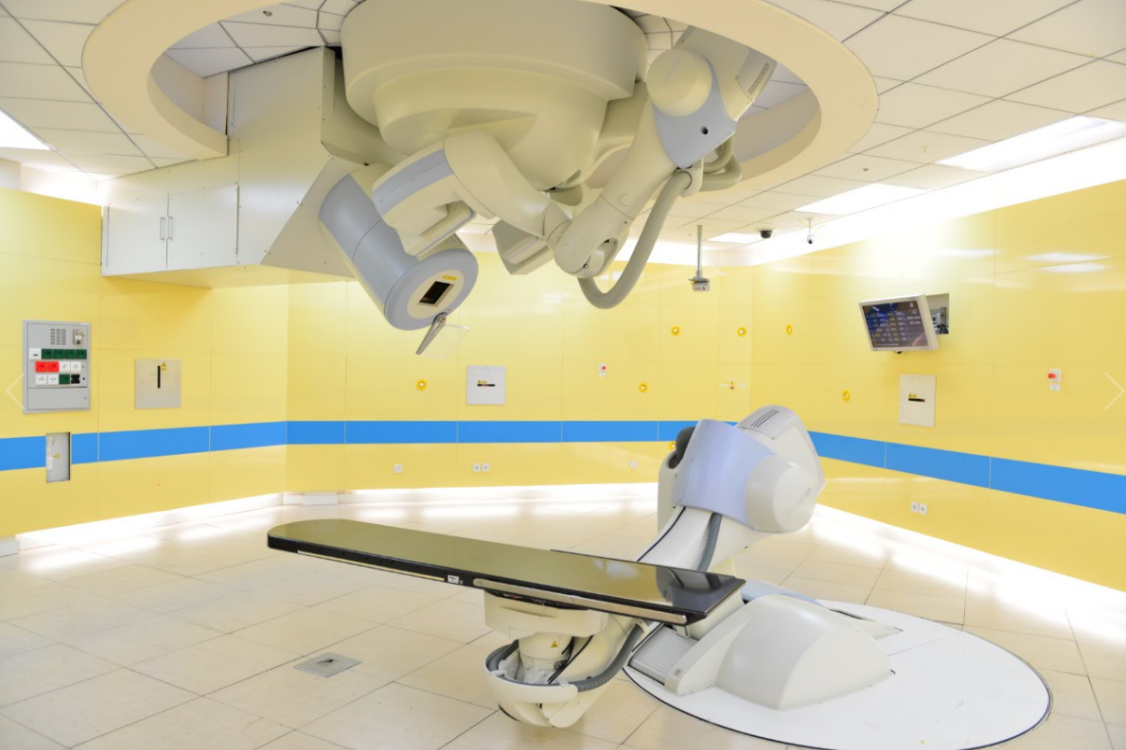
Precise Irradiation to Reduce Damage to Normal Tissues
The heavy ion beam can concentrate energy release on the tumor area and reduce the radiation dose delivered to normal tissues. This is especially important for patients who need long-term preservation of organ function, such as those with pediatric tumors, young patients, and those with head and neck tumors, skull base tumors, prostate cancer, breast cancer, and lung cancer.
Greater Value for Certain Refractory Tumors
Some tumors are insensitive to conventional radiotherapy, such as chordoma, chondrosarcoma, adenoid cystic carcinoma, osteosarcoma, and mucosal melanoma. The high linear energy transfer (LET) and high relative biological effectiveness (RBE) of heavy ion therapy can provide a new local treatment option for these tumors.
Non-invasive Treatment Suitable for Patients Who Cannot Undergo Surgery
Heavy ion therapy requires no incision, does not remove organs, and leaves no surgical scars. For elderly patients, those with poor cardiopulmonary function, those with tumors in complex locations, or those who are not suitable candidates for surgery, heavy ion therapy can serve as a non-invasive local treatment option.
Helping to Preserve Organ Function
Head and neck tumor treatment requires preserving swallowing, speech, hearing, vision, salivary glands, and facial appearance; pelvic tumor treatment requires preserving bladder, rectal, and sexual function; and chest tumor treatment requires preserving cardiopulmonary function. The advantage of heavy ion therapy lies precisely in controlling the tumor while minimizing functional damage as much as possible.
Relatively Short Treatment Course
Heavy ion therapy generally involves a shorter treatment course than conventional radiotherapy, with the exact number of sessions depending on the tumor type, lesion location, number of lesions, prior treatment history, and treatment plan. For patients traveling across borders for care, a shorter course makes it easier to arrange visas, accommodation, caregiver support, and follow-up after returning home.
Advantages of Heavy Ion Therapy in China
China is one of the countries with the most heavy ion hospitals, boasting three large specialized heavy ion hospitals in Shanghai, Wuwei (Gansu), and Lanzhou (Gansu) respectively.
Heavy Ion Therapy for Tumors
Shanghai Proton and Heavy Ion Hospital possesses both proton and heavy ion therapy capabilities and operates clinically within the system of Fudan University Shanghai Cancer Center. The Wuwei Heavy Ion Center in Gansu uses China's first self-developed heavy ion tumor treatment system, while the Lanzhou Heavy Ion Center is the second domestic heavy ion clinical application center operated by the Wuwei Tumor Hospital of Gansu.
This means that international patients can choose a suitable treatment facility in different cities based on their disease type, transportation, doctor’s recommendations, treatment plan, and personal arrangements.
Capability in Self-Developed Heavy Ion Equipment
The Wuwei Heavy Ion Center uses a heavy ion treatment system with China's own intellectual property rights, freeing the country from complete reliance on imported equipment and promoting equipment maintenance, clinical improvement, technology iteration, and treatment cost control.
For international patients, this demonstrates that China can not only introduce advanced treatment technologies but can also independently develop and continuously optimize heavy ion therapy systems.
Cost Advantage of Heavy Ion Therapy
Compared with high-end particle therapy in some European and American countries and Japan, heavy ion therapy in China is cost-competitive. The heavy ion therapy fees at Wuwei and Lanzhou are clearly defined, with charges per session for initial and subsequent treatments, and a per-course fee cap is set.
Transparent Pricing and More Controllable Treatment Costs
Both the Wuwei Heavy Ion Center and the Lanzhou Heavy Ion Center follow uniform national pricing standards. For patients requiring carbon ion therapy, fees are calculated based on the treatment site and the number of sessions, with a cap amount in place, helping patients estimate the overall cost more clearly before treatment.
First Treatment Site: Cap of RMB 198,000 per Course
The first treatment site is charged per session, with each session costing RMB 49,500. After 4 cumulative sessions on the same site, the cap amount is reached, making a total of RMB 198,000. After the 4th session, even if the site still requires further treatment, no additional carbon ion treatment system fees are charged for that site.
This fee-capping model can reduce patients’ concerns about cost uncertainty arising from an increased number of treatment sessions, making it especially suitable for tumor patients who require multiple fractions.
Second and Additional Treatment Sites: Each Added Site Charged Only Once
If a patient has a second or more treatment sites, each additional site is charged only once, i.e., RMB 49,500. When subsequent treatment continues on that site, no additional carbon ion treatment system fees are charged.
This fee structure is friendlier for patients with multiple lesions, multiple treatment areas, or those requiring staged treatment, and can reduce the overall treatment burden to a certain extent.
Insurance Reimbursement
Patients who are enrolled in heavy ion-specific insurance plans offered by major insurance brands can receive reimbursement at the Wuwei Heavy Ion Center and Lanzhou Heavy Ion Center according to the policy terms. For patients who have already purchased such specialized insurance, this can further reduce the pressure of out-of-pocket payments.
Comprehensive Tumor Treatment Capabilities
Heavy ion therapy is not an isolated technology. Tumor patients often require the joint involvement of surgery, internal medicine, radiotherapy, imaging, pathology, nuclear medicine, nutrition, rehabilitation, and follow-up. Shanghai, relying on the system of Fudan University Shanghai Cancer Center, and Wuwei and Lanzhou, relying on the Wuwei Tumor Hospital of Gansu system, can provide patients with comprehensive services including heavy ion therapy, photon radiotherapy, chemotherapy, surgery, imaging evaluation, and rehabilitation management.
China Has Extensive Experience in Treating Common Tumors in Asian Patients
Nasopharyngeal carcinoma, liver cancer, lung cancer, esophageal cancer, gastrointestinal tumors, pancreatic cancer, prostate cancer, and other cancer types are relatively common among Asian patients. Large-scale oncology hospitals in China have accumulated significant case experience in these tumor types and can develop treatment plans that incorporate disease characteristics, patient constitution, prior treatment habits, and comprehensive treatment pathways typical for Asian patients.
China’s Three Major Heavy Ion Specialty Hospitals
Heavy ion therapy in China has formed a clinical treatment landscape represented by the Shanghai Proton and Heavy Ion Hospital, the Gansu Wuwei Heavy Ion Center, and the Lanzhou Heavy Ion Center. Each of the three institutions has its own characteristics: Shanghai offers both proton and heavy ion therapy capabilities, supported by the Fudan University Shanghai Cancer Center system; Wuwei utilizes China’s first self-developed heavy ion tumor treatment system, representing a clinical application benchmark for domestically produced heavy ion therapy; Lanzhou is the second domestically developed heavy ion clinical application center operated by Gansu Wuwei Cancer Hospital, located in the provincial capital with more convenient transportation and comprehensive medical support facilities.
1. Shanghai Proton and Heavy Ion Hospital
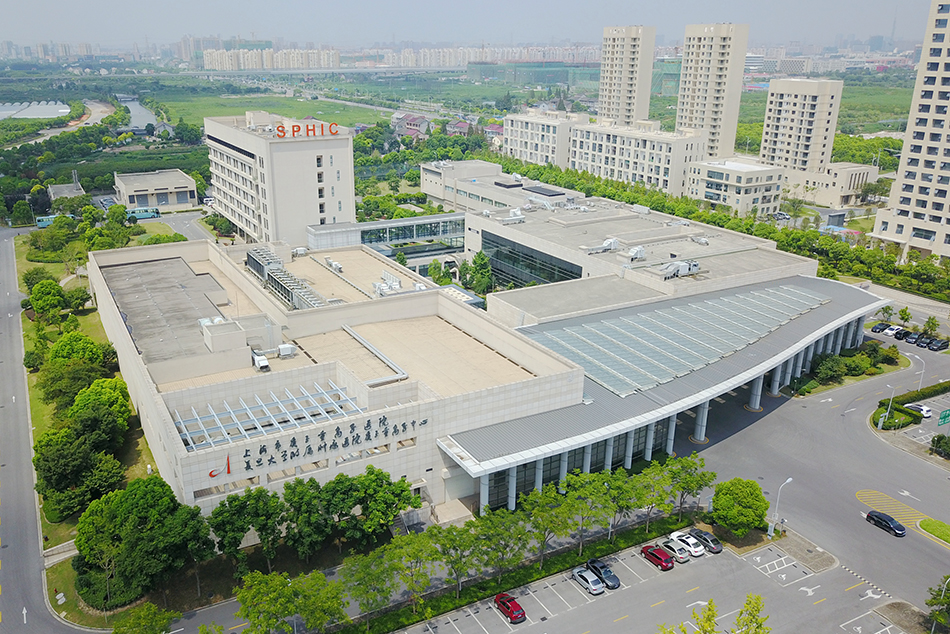
Shanghai Proton and Heavy Ion Hospital, also known as the Proton and Heavy Ion Center of Fudan University Shanghai Cancer Center, is located in the Zhangjiang Science City, Pudong New Area, Shanghai. Centered on proton and heavy ion radiotherapy, the hospital integrates medical services, scientific research, and education, and is one of the most representative particle radiotherapy institutions in China. The Phase I building has a total floor area of 52,542 square meters, with 220 approved beds and 24 outpatient consultation rooms.
Capability for Both Proton and Heavy Ion Therapy
A key advantage of the Shanghai center is its simultaneous capability for both proton and heavy ion radiotherapy techniques. Proton therapy is suitable for tumors requiring high protection of normal tissues, while heavy ion therapy is suited for some radiation-resistant, recurrent, deep-seated, or refractory tumors. Physicians can select proton therapy, heavy ion therapy, or a combined treatment plan based on the patient’s condition.
Equipment and Technical Advantages
Shanghai Proton and Heavy Ion Hospital uses an integrated proton and heavy ion system capable of delivering both proton and heavy ion beams. Major equipment includes the proton and heavy ion system, linear accelerators, PET/CT, MRI, CT, and ECT. Treatment-related technologies include synchrotron, patient positioning and image verification systems, respiratory gating systems, and pencil beam scanning techniques.
Tumor Heavy Ion Therapy
These technologies enable treatment coverage for tumors at different depths, in different locations, and with different motion states. For tumors that move with respiration, such as lung cancer and liver cancer, respiratory gating helps reduce irradiation errors; for irregularly shaped tumors, pencil beam scanning can perform layer-by-layer, point-by-point irradiation, improving treatment plan conformity.
Key Treatment Focus
Shanghai Proton and Heavy Ion Hospital is suitable for the following tumor types:
Nasopharyngeal carcinoma;
Intracranial and skull base tumors;
Meningioma, pituitary tumor, acoustic neuroma, glioma;
Chordoma, chondrosarcoma;
Head and neck tumors;
Lung cancer;
Prostate cancer;
Breast cancer;
Pancreatic cancer;
Liver cancer;
Bone and soft tissue tumors.
The Shanghai hospital’s advantages are particularly prominent for tumor types requiring precision radiotherapy and protection of critical organs, such as head and neck tumors, skull base tumors, nasopharyngeal carcinoma, prostate cancer, lung cancer, and pancreatic cancer.
Advantages for International Patients
Shanghai is one of China’s most internationalized cities, offering mature infrastructure including international flights, hotels, translation services, visa extension, business services, and medical support. For international patients, Shanghai’s advantages extend beyond advanced equipment to include convenient city services, concentrated comprehensive oncology resources, strong multidisciplinary collaboration capabilities, and comprehensive support from the Fudan University Shanghai Cancer Center system.
2. Gansu Wuwei Heavy Ion Center
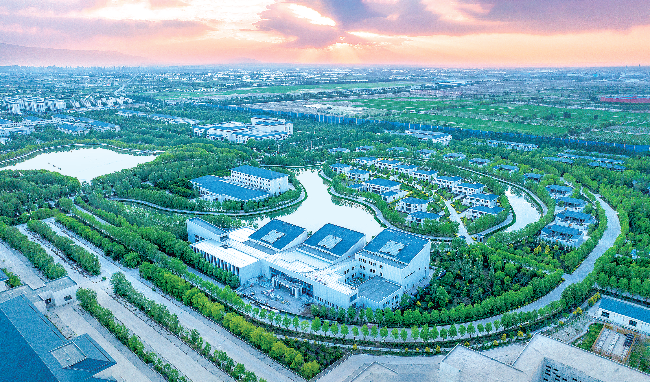
Gansu Wuwei Heavy Ion Center is part of the Gansu Wuwei Cancer Hospital system. Established in 1978, Gansu Wuwei Cancer Hospital has passed the Grade-A tertiary hospital review and is a significant oncology specialty medical institution in Northwest China, and it is the only hospital in the world operating two heavy ion therapy systems.
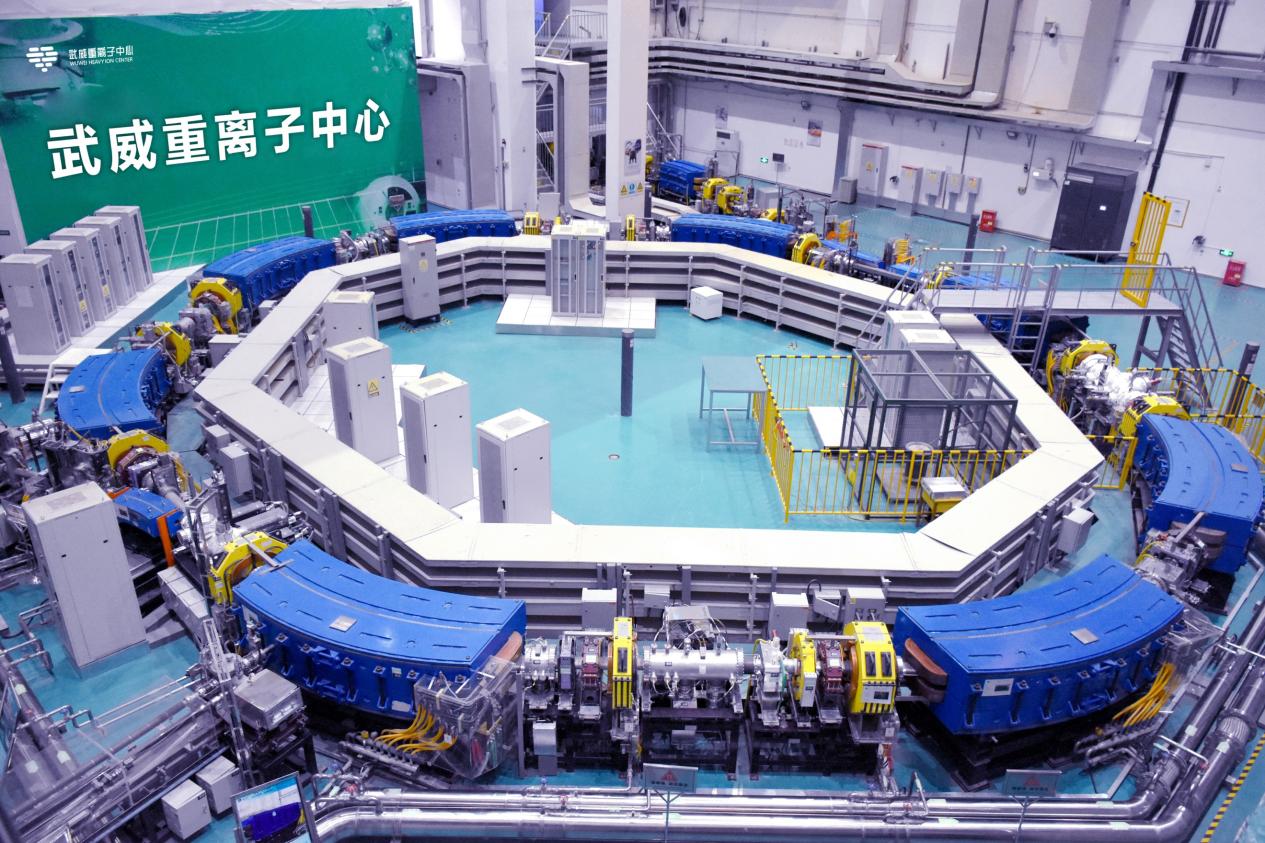
Wuwei Heavy Ion Center is equipped with China’s first self-developed heavy ion tumor treatment system, representing an important milestone in the clinical application of domestically developed heavy ion therapy technology. The system was put into clinical use in March 2020, advancing China’s heavy ion therapy from scientific research achievement to clinical treatment stage.
Representative of Domestically Developed Heavy Ion Therapy
Wuwei’s greatest advantage is its heavy ion therapy technology with China’s own intellectual property rights. The clinical application of domestically developed heavy ion equipment reflects China’s comprehensive capabilities in high-end oncology radiotherapy equipment, medical physics, treatment planning, clinical translation, and equipment maintenance.
For international patients, Wuwei represents China’s independent heavy ion technology pathway. It is not just a treatment institution, but also a sample of the clinical development of China’s heavy ion technology.
Key Treatment Focus
Wuwei Heavy Ion Center primarily covers lung cancer, breast cancer, pancreatic cancer, liver cancer, bone and soft tissue tumors, head and neck tumors, and abdominal and pelvic tumors, among other directions.
Technical Features
Wuwei’s heavy ion therapy emphasizes precise irradiation, respiratory management, image guidance, and individualized treatment planning. For tumors like lung cancer, liver cancer, and pancreatic cancer that undergo positional changes with respiratory motion, respiratory control and image verification are critically important. For tumors insensitive to conventional radiotherapy, such as bone and soft tissue sarcomas and adenoid cystic carcinoma, the high biological effectiveness of heavy ions offers particular value.
Innovative Treatment Directions
Wuwei Heavy Ion Center is continuously exploring treatment for breast cancer, bladder cancer, cardiac tumors, ocular malignancies, tracheal adenoid cystic carcinoma, and laryngeal cancer. Public information indicates that Wuwei Heavy Ion Center has performed the first heavy ion treatment for breast cancer in China and the world’s first heavy ion treatment for bladder cancer, and has accumulated clinical experience with complex tumors in the skull, pancreas, lungs, and other sites.
Integration of Medical Treatment and Wellness Care
One distinctive feature of Wuwei Heavy Ion Center is its integration of medical treatment with wellness and recuperation care. For patients requiring intercity or international treatment, accommodation, caregiving support, nutrition, psychological support, rehabilitation, and long-term follow-up during the treatment period are equally important. Wuwei’s campus-style medical environment and wellness support facilities help patients receive more comprehensive support during treatment.
3. Lanzhou Heavy Ion Center
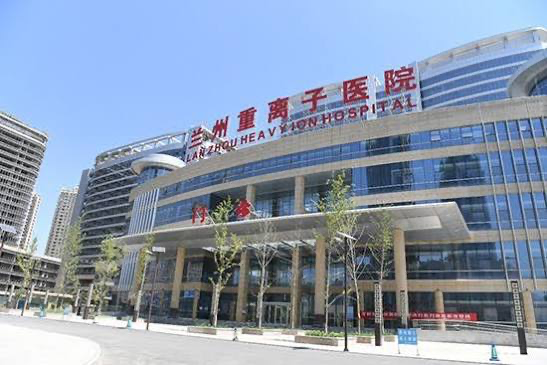
Lanzhou Heavy Ion Center is the second clinical application center for China’s self-developed heavy ion technology operated by Gansu Wuwei Cancer Hospital, located in Lanzhou, the provincial capital of Gansu. The Lanzhou campus began receiving patients in August 2024 and officially commenced heavy ion treatment services in November 2024.
Provincial Capital Heavy Ion Treatment Platform
The core advantage of Lanzhou Heavy Ion Center lies in its combination of “domestic heavy ion technology + provincial capital infrastructure.” Patients can receive comprehensive services including heavy ion therapy, photon radiotherapy, chemotherapy, medical oncology, surgical oncology, critical care medicine, and traditional Chinese medicine in Lanzhou, while also benefiting from more convenient urban transportation and living amenities.
Comprehensive Treatment Capabilities
The Lanzhou campus has established departments including surgical oncology, medical oncology, radiation oncology, critical care medicine, and traditional Chinese medicine, enabling combined therapy with photon radiotherapy, chemotherapy, heavy ion therapy, internal medicine, and surgery.
Equipment Advantages
Lanzhou Heavy Ion Center is equipped with China’s second heavy ion tumor treatment system, along with major equipment such as a linear accelerator, image-guided radiotherapy devices, PET-CT, and a 3.0T MRI simulator. This means Lanzhou can not only perform heavy ion therapy but also complete imaging evaluation, conventional radiotherapy, comprehensive treatment planning, and subsequent follow-up.
Key Treatment Focus
Lanzhou Heavy Ion Center is suitable for patients who should focus on the following:
Liver cancer;
Pancreatic cancer;
Lung cancer;
Prostate cancer;
Bladder cancer;
Breast cancer;
Head and neck tumors;
Bone and soft tissue tumors;
Abdominal and pelvic tumors;
Recurrent or refractory solid tumors.