Filter by City

Partner Hospitals

Browse verified Grade A tertiary hospitals across China

Filter by Disease

Filter by City

26 hospitals

Yunnan Cancer HospitalKunming

Yunnan Cancer Hospital

Kunming·Grade A Tertiary

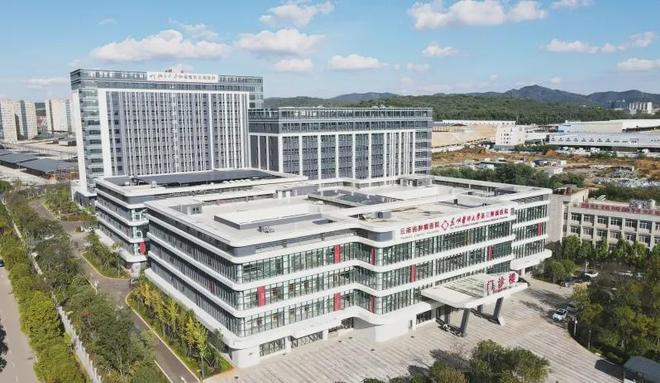
Yunnan Cancer Hospital was established in 1984. In 2021, it was approved as a National Cancer Regional Medical Center project. In June 2024, the Yunnan Hospital of Peking University Cancer Hospital (National Cancer Regional Medical Center) was inaugurated at the hospital. The hospital is a Grade III Level A cancer specialty hospital in Yunnan Province integrating medical services, education, research, and prevention. It undertakes tasks in cancer prevention and treatment research, talent cultivation, and academic exchanges in oncology. It houses 12 major medical centers including the Yunnan Cancer Center and the Yunnan Cancer Diagnosis and Treatment Quality Control Center. It serves as a National Health Commission base for early cancer detection and treatment, a continuing education base for oncology in Yunnan, an international cooperation demonstration base for lung cancer in Yunnan, and a national drug clinical trial institution (oncology). The main campus covers an area of 79 mu (approx. 5.27 hectares) with a total floor area of 246,000 square meters. It has 31 clinical departments, 12 medical technology departments, and 1,498 approved beds. The under-construction Cancer Center project is located on the north side of the main campus, covering 24 mu (approx. 1.6 hectares), with a planned investment of 1.85 billion RMB and 693 beds, expected to be operational in 2026. The under-construction Free Trade Zone Campus is located in the Economic Development Zone, with a total area of 119 mu (approx. 7.93 hectares) and 600 beds, expected to be operational in 2025. Phase I covers 69 mu (approx. 4.6 hectares) with a total floor area of 135,000 square meters, while Phase II reserves 50 mu (approx. 3.33 hectares) for the future construction of a proton and heavy ion center. The hospital is equipped with internationally advanced diagnostic and treatment equipment such as the Da Vinci surgical robot, intraoperative radiotherapy, CyberKnife, PET-MR, and PET-CT, and its cancer diagnosis and treatment technology is at the leading level in Yunnan Province. The hospital currently has 2,882 employees, including 194 with doctoral degrees, 784 with master's degrees, and 415 with senior professional titles. Among them are 1 Changjiang Scholar Distinguished Professor, 1 National Outstanding Youth Science Fund recipient, 2 leading talents of the National Ten Thousand Talents Program, 2 recipients of the National Hundred, Thousand, and Ten Thousand Talents Project, 7 recipients of the State Council Special Allowance, and 2 National Outstanding Science and Technology Workers. There are 89 individual awards and 10 team awards under the "Xingdian Talents Support Program"; 24 recipients of provincial-level special allowances; and 33 young and middle-aged academic and technical leaders, reserve talents, and technological innovation talents in Yunnan Province. In recent years, medical services have grown rapidly, with all business indicators maintaining a positive trend. In 2024, total outpatient and inpatient visits exceeded 1 million for the first time, a year-on-year increase of 18.26%. Surgical procedures reached 32,700, up 0.93% year-on-year, with surgeries accounting for 34.41% of total visits (up 3.09%) and Grade IV surgeries accounting for 50.93% (up 2.04%). The CMI value was 1.2996. The proportion of patients from outside Kunming reached 81.57%, a significant increase from the previous year. The hospital ranks first in the province in surgical volumes for lung, breast, colorectal, and gastric malignancies. The hospital has established a specialized system for cancer prevention, screening, diagnosis, and treatment with advanced diagnostic technologies and comprehensive treatment methods. Three specialties—Oncology, Thoracic Surgery, and Gastrointestinal Surgery—have been approved as National Key Clinical Specialties, and 17 specialties including Breast Surgery, Gynecology (Gynecologic Oncology), and Radiation Oncology have been approved as Provincial Key Clinical Specialties. It has been approved as a pilot construction project for the clinical collaboration of Chinese and Western medicine in major and difficult diseases (lung cancer) in Yunnan Province, and as a national pilot unit for standardized diagnosis and treatment quality control for 12 single diseases including lung cancer and liver cancer. The Molecular Diagnosis Center and the Medical Laboratory have passed the review and assessment of the China National Accreditation Service for Conformity Assessment (CNAS), and the hospital is qualified as a stem cell clinical research filing institution. In 2018, the hospital established the only internet hospital based on a physical hospital in Yunnan Province—the Yunnan Cancer Hospital Internet Hospital—actively exploring new models of internet-based diagnosis and treatment to help more patients overcome difficulties in accessing medical care. As a member of the National Cancer Specialty Alliance and the chair unit of the Yunnan Cancer Specialty Alliance, the alliance now includes 171 member units. The hospital has also established remote medical service collaboration relationships with multiple tertiary hospitals and county-level hospitals. In 2024, it joined the "China Oncology Clinical Research Medical Ethics Review Mutual Recognition Consortium" as one of the 20 founding members. The hospital has 8 key laboratories, 10 provincial-level innovation teams, 10 research centers, 4 academician workstations, and 10 expert workstations. It is the postdoctoral research workstation of the Third Affiliated Hospital of Kunming Medical University. Over the past five years, it has undertaken 792 research projects, published over 900 high-level papers in journals such as SCI and Peking University core journals, and obtained 14 invention patents. In the past five years, it has won a total of 20 scientific research awards, including 7 provincial-level science and technology progress awards and 13 departmental-level awards. As a directly affiliated hospital of Kunming Medical University, it has 12 teaching and research sections, 41 doctoral supervisors, and 237 master's supervisors. Using a "complementary teaching alliance between specialized and general hospitals," it provides "through-type" training for clinical medicine students. It is a national first-class undergraduate clinical medicine program construction site and a national standardized residency training base with two specialties: radiation oncology and clinical pathology. It has formed a talent training system covering undergraduate, master's, doctoral, post-graduation education, continuing medical education, and international student training. As a national regional medical center construction project unit, the hospital actively serves and integrates into the national development strategy, expanding external exchanges and service capabilities. Over 80% of its patients come from outside Kunming and even from other countries. It treats a large number of patients from neighboring provinces and autonomous regions such as Guizhou, Sichuan, Guangxi, and Tibet. In 2025, as one of the first batch of Yunnan Provincial International Medical Service Pilot Hospitals, the hospital established an International Diagnosis and Treatment Department, attracting a large number of patients from countries along the Belt and Road Initiative such as Bangladesh, Vietnam, Myanmar, and Laos. As a pilot hospital for modern hospital management systems, the hospital continuously advances the modernization of its governance system and capabilities, significantly enhancing its comprehensive strength, core competitiveness, and informatization level. It has passed the National Health Commission's Smart Management Grading Evaluation Level 2, Electronic Medical Record System Function Application Level 6, Interconnectivity Standardization Maturity Level 4A, and Smart Service Level 3 assessments. It has received honors such as National Advanced Collective in Cancer Prevention and Treatment, National People's Trusted Demonstration Hospital, National People's Trusted Top 100 Demonstration Hospital, National Humanistic Caring Hospital, National Outstanding Provincial Quality Control Center, National Advanced Collective in COVID-19 Prevention and Control in the Health System, National Women's Civilization Post, and Yunnan Provincial Advanced Collective in Health. In the future, the hospital will adhere to the tenet of "patient-centered, wholeheartedly serving cancer patients" and the motto of "benevolence in heart, diligence in work, excellence in skill," striving to build a high-level cancer medical highland that is first-class in western China, nationally leading, and radiating to South and Southeast Asia.

Boao Super HospitalLecheng

Boao Super Hospital

Lecheng·Grade A Tertiary

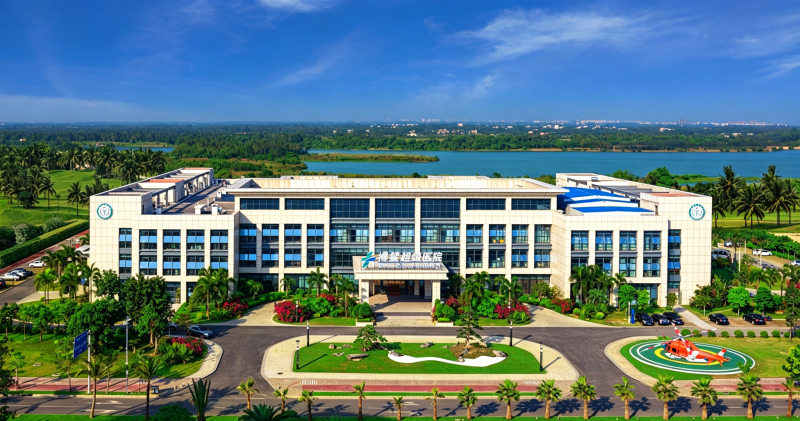
I. Overview: Boao Super Hospital is a state-controlled tertiary general hospital located on the picturesque banks of the Wanquan River, covering an area of 20,000 square meters with 150 beds. It was the first hospital to open in the Hainan Free Trade Port Boao Lecheng International Medical Tourism Pilot Zone, officially commencing operations on March 31, 2018. Over the past eight years, under the correct leadership and care of the Boao Lecheng International Medical Tourism Pilot Zone Administration, the guidance and support of the Lecheng Pilot Zone Medical Products Supervision Bureau, and the policy guidance of the "Nine National Policies," Boao Super Hospital has achieved substantial development. II. Clinical Disciplines: The hospital currently has nearly 30 clinical and medical technology departments, including internal medicine, surgery, gynecology, pediatrics, ophthalmology, and dermatology, and has cooperated with 23 academician and renowned expert teams. Among them, departments such as otolaryngology, ophthalmology, dermatology, cardiovascular medicine, oncology, and the rare disease diagnosis and treatment center, led personally by academicians and renowned experts, are at the forefront of the pilot zone in discipline development and the application of specially approved drugs and medical devices. III. Technological Advancements: Leveraging the special drug and device policies and adopting a "1+X" platform-based operating model, the hospital has effectively promoted rapid business growth and benefited the public. The hospital has introduced a total of 189 specially approved drugs and devices, achieving numerous "firsts in China" and leading the medical technology level in the Lecheng Pilot Zone. The hospital has undertaken 42 scientific research projects, obtained 23 patents, published 6 books, 22 SCI papers, and 34 Chinese core journal articles. It was the first medical institution in the Lecheng zone to conduct real-world studies, having completed 31 real-world studies, with 17 products approved for marketing through real-world evidence. This has made significant contributions to introducing advanced foreign medical technologies and specially approved drugs and devices into the domestic market, narrowing the gap between China and advanced countries in medical technology. IV. Facilities and Equipment: Positioned as a platform-based hospital, it has invested over 200 million yuan to equip international advanced medical devices such as a 256-slice CT, 3.0T MRI, and Philips DSA, as well as supporting infrastructure like digital laminar flow operating rooms and advanced intensive care units, effectively ensuring the smooth implementation of various cutting-edge technologies. V. Public Welfare Activities: The hospital fully leverages the role of the Party organization as a stronghold and actively engages in public welfare activities. It earnestly carries out various educational activities as required by higher-level Party organizations and organizes Party members and cadres to conduct free clinics, provide medicines, and support rural revitalization activities every year. VI. Honors Received: 2020: Won the second prize of the "Hainan Provincial Reform and Institutional Innovation Award"; 2021: Recognized as a Hainan High-Tech Enterprise, a "Demonstration Center" for the CDQI National Standardized Cardiovascular Specialty Center Construction, and the hospital Party branch was awarded the title of "Advanced Grassroots Party Organization" by the Hainan Provincial Working Committee and the Administration Party Committee, and was named a "Demonstration Site for Standardized Party Branches of Hainan Provincial Organs"; 2022: Received the "First Trial First Case Award" from the Lecheng Administration, and won first prize in the start-up group of the Veterans Entrepreneurship and Innovation Competition hosted by the Hainan Provincial Department of Veterans Affairs; 2023: Named a Hainan Innovative Small and Medium-sized Enterprise and a Hainan Provincial Demonstration Enterprise for Harmonious Labor Relations; 2024: Won the Outstanding Organization Award for Flood Prevention, Disaster Relief, and Resumption of Work and Production. VII. Leadership Care: Since its establishment, the hospital has received profound care and strong support from leaders at all levels. Former Premier Li Keqiang, Politburo Standing Committee member Zhao Leji, Vice President Han Zheng, former Vice Premier Liu Yandong, Vice Chairman of the CPPCC Leung Chun-ying, and Hong Kong Chief Executive John Lee have successively inspected Boao Super Hospital, giving pertinent evaluations and high expectations. On April 11, 2018, during his inspection in Lecheng, General Secretary Xi Jinping personally visited the team of academicians and experts including Li Lanjuan working at Boao Super Hospital.

Boao Yiling Life Care CenterLecheng

Boao Yiling Life Care Center

Lecheng·Grade A Tertiary

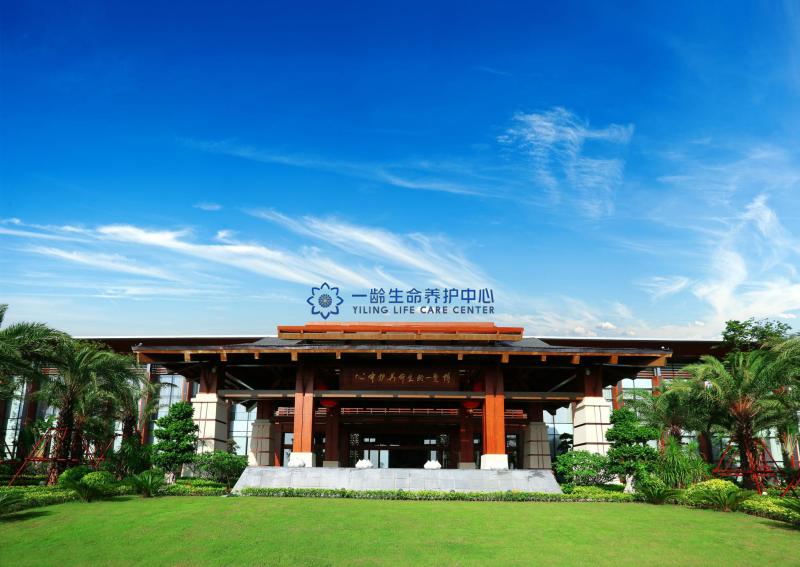
Boao Yiling Life Care Center is located in the Hainan Boao Lecheng International Medical Tourism Pilot Zone—a “special medical zone” integrating medical rehabilitation and wellness, ecological energy conservation and environmental protection, green international organizations, and leisure tourism. It is one of the first tertiary general medical institutions to settle in the Boao Lecheng Pilot Zone. Since November 2017, it has been recognized three consecutive times as a “National High-Tech Enterprise” by the Hainan Provincial Department of Science and Technology, and has served as the reception and service guarantee unit for the Boao Forum for Asia Annual Conference for five consecutive years. In December 2023, it became a national-level standardization pilot unit for the medical and health industry (life care), and holds dual qualifications for drug/medical device clinical trial projects (GCP). Covering an area of 56 mu (approx. 3.73 hectares) with a building area of 66,710 square meters, Boao Yiling Life Care Center comprises nine centers: Medical Imaging Diagnosis Center, Life Health Pre-check Center, Precision Medicine Research Center, Life Care Science Research Center, Cardiovascular Metabolic Medicine Center, Life Health Care Center, Life Beauty Care Center, Charm Image Design Center, and Psychosomatic Medicine Care Center. Leveraging the policy advantages, brand effect, excellent ecological environment, and rich surrounding tourism resources of the Boao Lecheng International Medical Tourism Pilot Zone, Boao Yiling Life Care Center provides integrated medical services combining medical care with wellness and medical tourism: precision testing, prediction, prevention, and intervention services; sub-health management, chronic disease management, health promotion, and health improvement services; disease prevention services for brain health, eye health, lung health, cardiovascular and cerebrovascular health, musculoskeletal and exercise health, immunology and oncology, male and female reproductive health, metabolic health, digestive health, and oral health; domestic and international referral services; charm image design and image management services; medical aesthetics and plastic surgery, comprehensive anti-aging services, and female two-cancer screening and prevention services; psychosomatic care services such as spiritual yoga, spiritual meditation, psychological adjustment, and building a happy inner world; cultural experience services including traditional Chinese culture, music, chess, calligraphy, painting, tea ceremony, incense ceremony, flower arrangement, art appreciation, coffee, and red wine; special licensed medical treatment, research, and operation services for internationally advanced new medical technologies, devices, and drugs within the Pilot Zone; and medical tourism and leisure vacation services. Boao Yiling Life Care Center has upgraded from a prevention-oriented approach to providing integrated and continuous services linking prevention, treatment, and rehabilitation. Relying on five key elements—talent, equipment, technology, service, and environment—and with the “Double Hundred Project” of improving user satisfaction and treatment efficacy as the starting point and ultimate goal, it precisely targets the demand side to comprehensively enhance the sense of “user value,” while accurately positioning the supply side to explore and cultivate new drivers of “industrial value.” This has formed a unique model of life health care, life beauty care, and life psychosomatic care, truly achieving the promotion of life health, improvement of life quality, and realization of the “5Q” life values: healthy life, beautiful life, happy life, tasteful life, and wise life, continuously leading industry progress and the development of the health and medical industry. Compared with traditional models, Yiling’s “life care” model has achieved “three major transformations” in length, width, and height: First, implementing “full life cycle management,” transforming from single disease treatment to trackable full life cycle health management and services. Second, implementing “three-dimensional life care,” transforming from one-dimensional “flat” physical health to “three-dimensional” multi-dimensional care of body, mind, and spirit. Third, elevating to a “high-level life state,” transforming from basic health needs to a high-level life state integrating health, beauty, and happiness. Boao Yiling Life Care Center upholds the original aspiration and mission of providing scientific ideas, methodological references, and mature experience for the great dreams of “Healthy China, Beautiful China, and Happy China,” and contributing the unique “Yiling Solution” and “Yiling Wisdom” to the cause of human life care. It fully utilizes the significant historical opportunities of the Hainan Free Trade Port construction and the Pilot Zone’s geographical, ecological, policy, and platform advantages to introduce internationally advanced medical technologies, devices, and drugs, attract international high-level medical leading talents and professional technical talents, build international exchange and cooperation platforms, actively carry out international academic exchanges and business cooperation, continuously improve medical service quality and international medical tourism service capabilities, take the lead in achieving “synchronization of medical technology, equipment, and drugs with international advanced levels” within the Pilot Zone, create a global exclusive platform for life care, write a new chapter in Yiling’s life care cause, and create new brilliance in Yiling’s life care cause!

Hainan Mayser HospitalLecheng

Hainan Mayser Hospital

Lecheng·Grade A Tertiary

On March 18, 2023, Mayser Hospital, specializing in precision health check-ups, cardiovascular and cerebrovascular disease prevention and treatment, chronic disease management, medical aesthetics, rehabilitation and recuperation, and health management, was inaugurated and opened in the Hainan Boao Lecheng International Medical Tourism Pilot Zone. Mayser Hospital features six major sections and eighteen specialized departments, covering diverse fields from precision health check-ups to medical aesthetics. Through collaborations with world-leading institutions such as Fresenius Group, Huayi Xincheng, Mayo Clinic, and Japan's Oda Hospital, the hospital has established a high-end medical system including a cardiac rehabilitation center and precision cardiovascular medicine, equipped with advanced diagnostic equipment and gathering global medical elites to provide international first-class one-stop health management solutions for members worldwide. Leveraging the preferential policies of the Lecheng Pilot Zone, Mayser Hospital will introduce internationally advanced equipment, including advanced check-up and screening devices, to build an international advanced anti-aging base. The hospital comprises six major sections and seventeen professional departments, covering diverse disciplines such as precision health check-ups, imaging center, international medical services, precision medicine, medical aesthetics, traditional Chinese medicine, and ophthalmology. Mayser Hospital has introduced domestic and international technologies and medical management systems—through joint establishment of a rehabilitation medical system with the European Helios Group, and co-creation of a precision cardiovascular diagnosis and treatment system with renowned experts from Huayi Xincheng, among other collaborations, it strives to provide one-stop health service assurance for clients at home and abroad with international high-standard quality services, high-precision testing instruments, and authoritative diagnosis and treatment by world-class medical experts.

Hainan Yingyi International Medical CenterLecheng

Hainan Yingyi International Medical Center

Lecheng·Grade A Tertiary

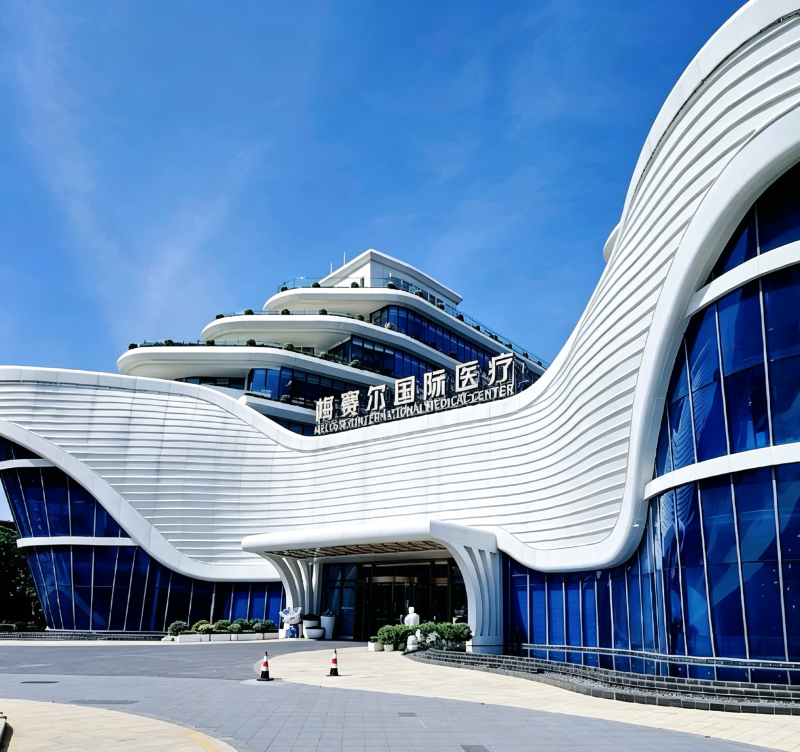
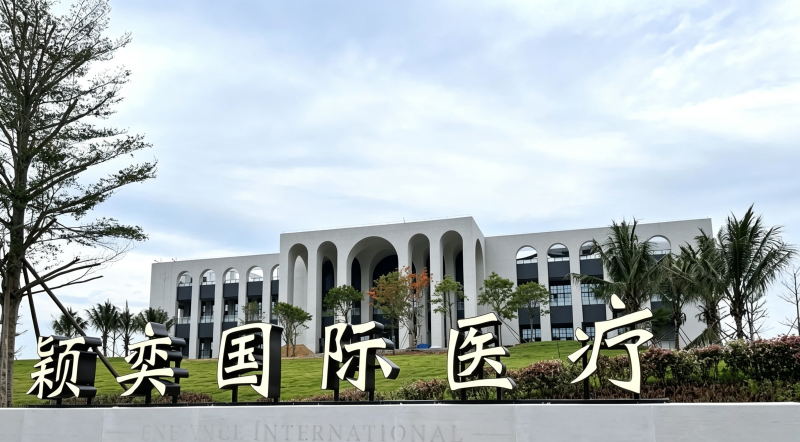
Yingyi International Medical Center, affiliated with Yingyi Biotechnology Group, is located in the Boao Lecheng International Medical Tourism Pilot Zone in Hainan. It is a modern tertiary general international hospital that integrates cutting-edge global technologies with a high-end international vision, centered on the core operational model of 'medical care, wellness, education, and research.' Yingyi International Medical Center is dedicated to providing all clients with premium, international-standard diagnostic and treatment services through a comprehensive health management system, enabling more people to enjoy a higher quality of life. All-Human Cell and Tissue Repository GMP-grade Cell Preparation Center Medical Imaging Center offering DR, MRI, CT, ultrasound, and other examinations Diagnostic Center providing precision medicine molecular testing, genetic testing, proteomics and metabolomics testing, gut microbiota testing, functional medicine, and other diagnostic services Committed to delivering more precise medical diagnostic services to clients.

Ruijin Hospital Hainan Campus, Shanghai Jiao Tong University School of MedicineLecheng

Ruijin Hospital Hainan Campus, Shanghai Jiao Tong University School of Medicine

Lecheng·Grade A Tertiary

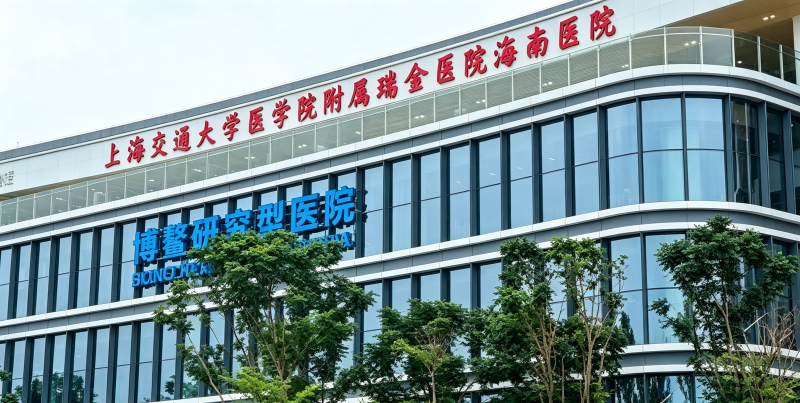
Ruijin Hospital Hainan Campus (Hainan Boao Research Hospital), affiliated with Shanghai Jiao Tong University School of Medicine (hereinafter referred to as "Ruijin Hainan Hospital"), is a major healthcare project initiated by the Hainan Provincial People's Government. It is operated by Ruijin Hospital, Shanghai Jiao Tong University School of Medicine ("Shanghai Ruijin Hospital"), and supported by Hainan General Hospital. The hospital aims to become a National Regional Medical Center in Hainan Province. Ruijin Hainan Hospital is a national- and provincial-level key project approved by the Hainan Provincial Government. It is the first public medical institution in the Boao Lecheng International Medical Tourism Pilot Zone, with an initial approved capacity of 500 beds. The hospital held its soft opening ceremony on December 18, 2021, and smoothly entered the second phase of trial operations on March 18, 2022. On October 18, 2022, it was officially approved as part of the fourth batch of National Regional Medical Center construction projects. Shanghai Ruijin Hospital, founded in 1907 (originally named Guangci Hospital), is a large comprehensive teaching hospital rated as Grade III Class A, consistently ranking among the top in China for its overall strength. Ruijin Hainan Hospital will fully adopt Shanghai Ruijin Hospital's "technology, talent, management, and brand," focusing on three major discipline clusters: oncology and hematology, cardiovascular and metabolic diseases, and neuroscience. It will integrate a National Real-World Clinical Data Research Center, a National Medical Research Center for Advanced Technologies, and a National Clinical Medical Innovation Center. The hospital aims to build a high-level international platform for scientific research innovation and translation, a top-tier talent training base, and a National Regional Medical Center that also serves as a public health emergency and disaster relief center for Hainan Province. It strives to create a highland for synergistic development of medical education and research, and an independent, innovative, and efficient "Lecheng Model." The hospital will provide strong medical support for the Boao Forum for Asia and cooperation with countries along the Belt and Road Initiative, serving the national strategy of building the Hainan Free Trade Port. All clinical department directors at Ruijin Hainan Hospital are concurrently held by the corresponding department directors from Shanghai Ruijin Hospital, and experts with associate senior titles or above are appointed as executive directors of clinical departments to ensure coverage across all clinical specialties. All independently recruited staff undergo immersive training at Shanghai Ruijin Hospital (no less than 6 months), and all resident physicians and specialists receive standardized training at the parent hospital, achieving "full Ruijin integration" to ensure homogeneity and shared origins. Leveraging convenient transportation networks and the policy of "three synchronizations"—aligning medical technology, equipment, and pharmaceuticals with advanced international standards—Ruijin Hainan Hospital is committed to "rooted in Hainan, serving the nation, and radiating to Southeast Asia." It aims to help realize the goal of "treating major illnesses without leaving the island" and ultimately "treating major illnesses without leaving the country." The hospital strives to become the first user of new drugs and medical devices in China, a global promoter of Chinese new drugs and devices, a provider of optimal medical care solutions, and a pioneer in advancing world clinical medicine.

Chinese PLA General HospitalBeijing

Chinese PLA General Hospital

Beijing·Grade A Tertiary

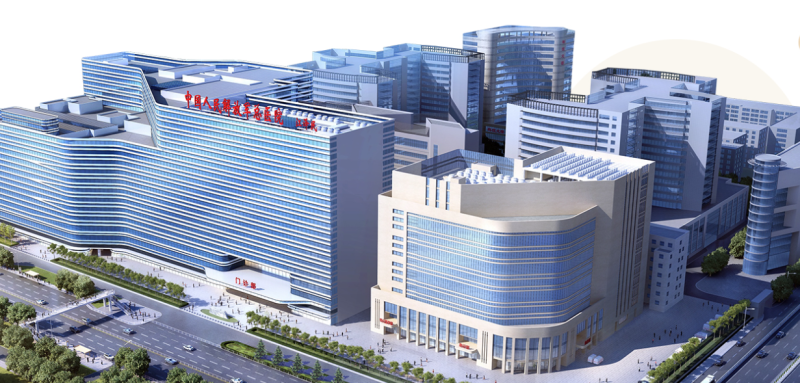
Founded in 1953, the Chinese PLA General Hospital (also known as 301 Hospital) is a large-scale modern comprehensive hospital integrating medical care, health maintenance, education, and scientific research. The hospital is equipped with over 40,000 sets of advanced diagnostic and therapeutic devices, including digital angiography systems, PET-MR, PET-CT, cyclotrons, computed tomography therapy systems, hyperbaric oxygen chambers, robotic surgical systems, magnetic navigation intervention systems, intraoperative CT, and intraoperative MRI. It houses 165 clinical and medical technology departments and 233 nursing units, with 8 national key disciplines, 1 national key laboratory, 20 provincial/ministerial and PLA key laboratories, and 33 PLA specialized medical centers and institutes. The hospital has developed 13 areas of professional strength characterized by comprehensive diagnosis and treatment. It also serves as the PLA intensive care demonstration base and a training base for the Chinese Nursing Association. An International Medical Center and a Health Management Center are established to provide high-end preventive healthcare services. Annually, the hospital handles over 4.9 million outpatient and emergency visits, admits 198,000 inpatients, and performs nearly 90,000 surgeries. The hospital boasts 6 academicians of the Chinese Academy of Sciences and Chinese Academy of Engineering, over 100 experts at technical grade three or above, and more than 1,000 senior professional and technical personnel. Among them, there are 184 doctoral supervisors and 293 master's supervisors. Over 180 staff members serve as chairs or vice chairs of national and PLA medical professional committees. The hospital has trained more than 4,000 high-level clinical medical talents (master's and doctoral graduates) for the military, over 10,000 clinical trainees for military and civilian hospitals, and tens of thousands of participants in specialized training programs.

Peking Union Medical College Hospital (PUMCH)Beijing

Peking Union Medical College Hospital (PUMCH)

Beijing·Grade A Tertiary

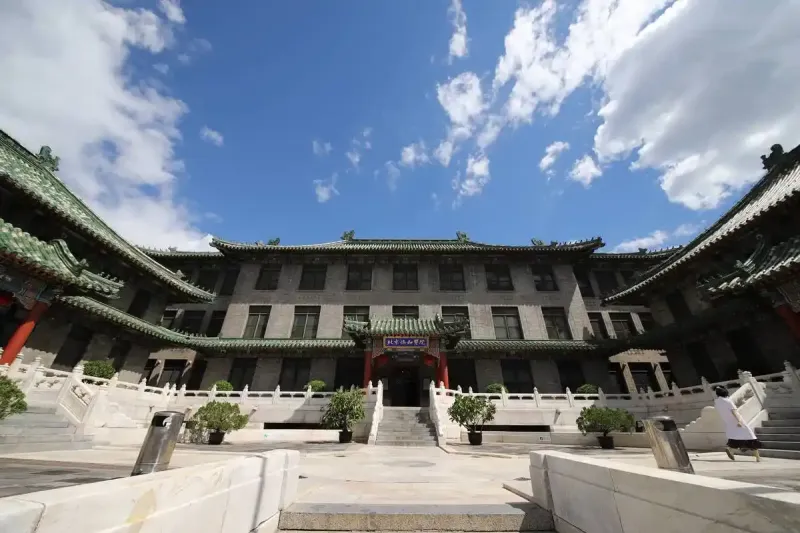
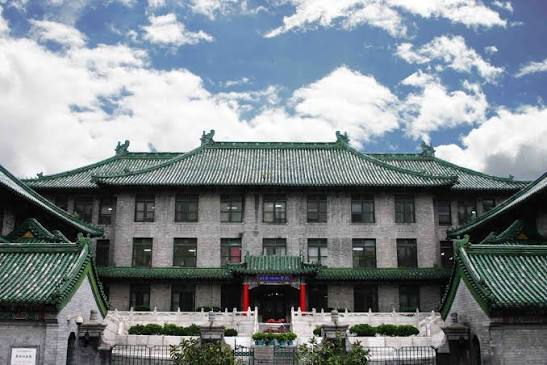
Peking Union Medical College Hospital is a modern, comprehensive Class A tertiary hospital integrating medical services, education, and research. It is designated by the National Health Commission as the National Guidance Center for the Diagnosis and Treatment of Complex and Severe Diseases. It was among the first hospitals in China to provide high-level healthcare services for senior officials and medical care for foreign guests. It is also a national demonstration base for higher medical education and standardized residency training, as well as a national core base for clinical medical research and technological innovation. The hospital enjoys a prestigious reputation both at home and abroad for its comprehensive range of disciplines, robust technical expertise, prominent specialized departments, and powerful multidisciplinary integrated advantages. It has ranked first in the "China Hospital Rankings" published by the Hospital Management Institute of Fudan University for ten consecutive years. Established in 1921, the hospital was founded by the Rockefeller Foundation. From its inception, it aspired to "become the best medical center in Asia." Currently, the hospital comprises four campuses with a total floor area exceeding 560,000 square meters. It has over 4,000 active employees, 3 Academicians of the Chinese Academy of Sciences and Chinese Academy of Engineering, 57 clinical and medical technology departments, 20 national key disciplines, 29 national key clinical specialties, 22 doctoral degree programs, 29 master's degree programs, 6 national continuing medical education bases, 19 national standardized residency training specialty bases, and 8 national specialist physician standardized training pilot bases. It operates over 2,000 inpatient beds, performs 53,852 surgeries annually, and records over 110,000 inpatient discharges per year.

Peking University First HospitalBeijing

Peking University First Hospital

Beijing·Grade A Tertiary

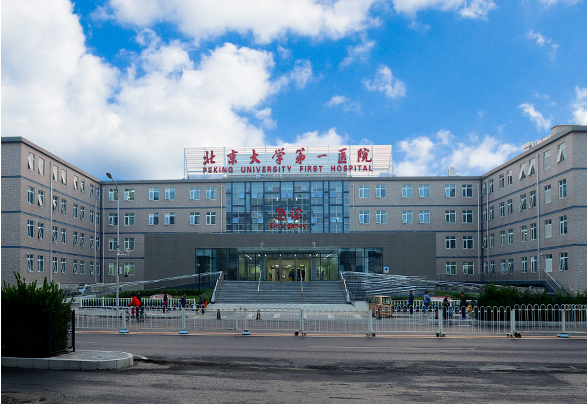
Founded on February 15, 1915, Peking University First Hospital (PKUFH) is a large-scale Grade A tertiary general hospital integrating medical services, education, research, disease prevention, and public health. It is also one of China's leading high-level hospitals driving clinical research and the translation of scientific achievements. Over the past century, the hospital has pioneered numerous specialized disciplines and diagnostic and therapeutic techniques in China, making outstanding contributions to the nation's medical field. PKUFH offers a comprehensive range of disciplines, with its overall strength ranking among the top domestically and reaching international standards. PKUFH remains committed to patient-centered care and continuously optimizes its medical services. It houses 39 clinical departments, 12 medical technology departments, and 71 inpatient wards with 2,259 beds. In 2023, the hospital recorded 3.24 million outpatient and emergency visits, 112,000 inpatient discharges, nearly 46,000 surgeries, and an average length of stay of 5.4 days. Multidisciplinary team (MDT) consultations are provided for complex and critically ill patients, with 53 MDT teams covering oncology, cardiovascular diseases, stroke, metabolic disorders, critical care, rare diseases, and other fields. Over 2,000 complex cases are reviewed through MDT consultations annually.

Peking University Third HospitalBeijing

Peking University Third Hospital

Beijing·Grade A Tertiary

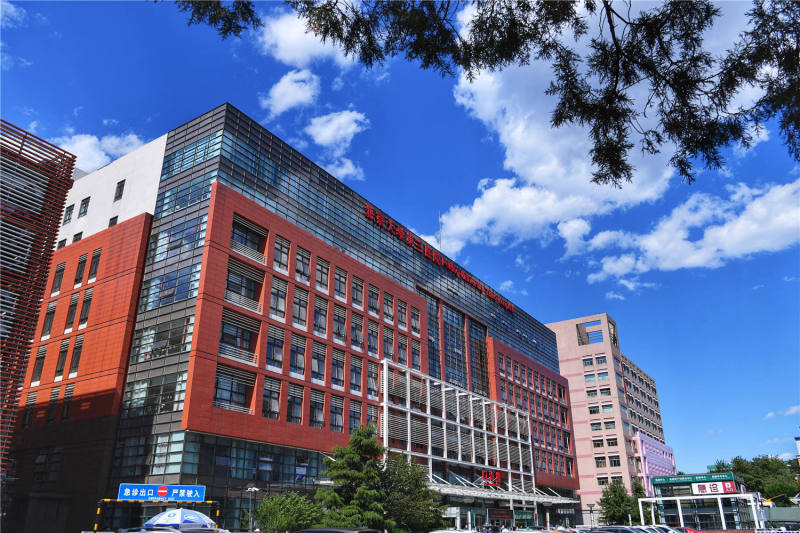
Peking University Third Hospital (PUTH), founded in 1958, is a hospital under the National Health Commission and a comprehensive Grade A tertiary hospital integrating medical services, education, research, preventive care, rehabilitation, and health management. For many years, PUTH has consistently ranked among the top in Beijing in terms of medical service volume and efficiency, with over 2,700 beds. In 2025, it served more than 5.9 million outpatient and emergency visits, 198,000 inpatient admissions, and performed 117,000 surgeries, with an average length of stay of 4.16 days, a leading level nationwide. In March 2022, PUTH was selected as one of 14 pilot hospitals for high-quality development of public hospitals in China. In the national performance assessment of tertiary public hospitals, PUTH achieved A++ ratings from 2018 to 2024. As a comprehensive Grade A tertiary hospital with distinctive multidisciplinary strengths, PUTH's spine surgery is the top discipline in China; its reproductive medicine center offers the most comprehensive treatments and is one of the largest centers internationally, where the first test-tube baby in mainland China was born; the Institute of Sports Medicine is the earliest established in New China and the only designated center for athlete injury prevention and treatment by the Chinese Olympic Committee; ophthalmology ranks among the top in China in corneal diseases, orbital diseases, fundus diseases, and cataract treatment; gastroenterology is at the forefront in ulcer pathogenesis research and treatment, and early gastric cancer diagnosis and treatment; cardiovascular medicine excels in coronary intervention, cardiac rehabilitation, and coordinated development of clinical and basic cardiovascular research; plastic surgery and occupational medicine are among the first clinical specialty disciplines established in China. Currently, the hospital has 27 (37 batches) National Clinical Key Specialties (including construction projects): Orthopedics (approved three times), Pharmacy (Clinical Pharmacy), Pathology, Specialty Nursing, Laboratory Medicine, Gastroenterology (approved three times), Obstetrics and Gynecology (including separate approvals for Gynecology and Obstetrics, totaling four times), Occupational Medicine, Otolaryngology, Key Laboratory of Cardiovascular Molecular Biology and Regulatory Peptides, Respiratory Medicine (approved twice), Neurology (approved twice), General Surgery, Urology, Ophthalmology, Anesthesiology (approved twice), Rehabilitation Medicine (approved twice), Plastic Surgery (Cosmetic Surgery), Sports Medicine, Cardiovascular Medicine, Radiation Oncology (Radiotherapy), Emergency Medicine, Neurosurgery, Endocrinology, Reproductive Medicine, Hematology. Multiple clinical and technical departments such as Laboratory Medicine, Medical Imaging, Critical Care Medicine, Clinical Epidemiology Research Center (Epidemiology), Infectious Diseases, Traditional Chinese Medicine Gynecology, Reproductive Medicine, and Neurosurgery have been approved as Beijing Clinical Key Specialties (including construction projects).

The First Hospital of China Medical UniversityShenyang

The First Hospital of China Medical University

Shenyang·Grade A Tertiary

Founded in 1908, The First Hospital of China Medical University is a Grade III Level A general hospital. It hosts 4 national key disciplines, 1 national key (cultivation) discipline, 25 national clinical key specialty construction projects, and 1 national clinical medical research center. The hospital has a medical, teaching, and research workforce of 3,542 staff members, including 244 with senior professional titles and 263 with associate senior titles; 172 doctoral supervisors and 254 master's supervisors. It is home to 2 academicians of the Chinese Academy of Engineering, 1 recipient of the National Science Fund for Distinguished Young Scholars, 24 experts receiving special government allowances from the State Council, and 9 young and middle-aged experts with outstanding contributions recognized by the National Health Commission. There are 9 chairpersons and 6 vice-chairpersons of specialty branches of the Chinese Medical Association. The hospital has 3,933 approved beds, with an annual outpatient and emergency volume of approximately 3.486 million visits, about 163,000 inpatient discharges, and around 94,000 surgical procedures. Guided by the principle of "internal medicine becoming more surgical, and surgery becoming minimally invasive," the hospital accelerates the adoption of minimally invasive and day surgeries. In 2019, over 20,000 minimally invasive surgeries and more than 13,000 day surgeries were performed, with Grade III and IV surgeries accounting for 55.2%. In 2017, the hospital introduced the third-generation Da Vinci robotic surgical system. It is now building a robotic-assisted surgery platform based on the Da Vinci system, the "Tianji" orthopedic robotic assistance system, and a neurosurgery robotic system, having completed over 1,200 Da Vinci surgeries. The hospital actively fulfills the functional role assigned to large hospitals by the national healthcare reform, focusing on the diagnosis and treatment of complex and critical illnesses. In 2017, it was approved for the "National Critical Care Medicine Complex Disease Diagnosis and Treatment Capacity Enhancement Project." In 2018, the hospital treated 65,000 critically ill patients, achieving a rescue success rate of 99%. It actively promotes multidisciplinary team (MDT) diagnosis and treatment for complex diseases, enabling patients to truly benefit from high-level, one-stop, personalized medical services. In 2019, over 650 outpatient MDT consultations and more than 700 inpatient and surgical MDT consultations were conducted. That same year, the hospital was designated by the National Health Commission as one of the first pilot hospitals for multidisciplinary diagnosis and treatment of tumors (digestive system).

Renji Hospital, Shanghai Jiao Tong University School of MedicineShanghai

Renji Hospital, Shanghai Jiao Tong University School of Medicine

Shanghai·Grade A Tertiary

Founded in 1844, Renji Hospital currently comprises four campuses (East, West, South, and North) and the Shanghai Cancer Institute. It is a comprehensive Grade 3A hospital integrating medical services, education, and research across a full range of specialties. As of the end of 2025, the hospital has 4,886 permanent staff, 2,750 approved beds, and 54 clinical and medical technology departments. In 2025, the hospital recorded 7.4584 million outpatient and emergency visits, 268,200 inpatient discharges, 134,000 inpatient surgeries, and an average length of stay of 4.79 days. The hospital is equipped with advanced medical devices including dual-source photon-counting CT, PET-CT, PET-MR, da Vinci surgical robot, X-ray stereotactic radiotherapy system, TomoTherapy, linear accelerators (LA), 320-slice 640-row ultra-fast spiral CT, hybrid operating room systems, and telemedicine teaching systems. The hospital has 13 National Key Clinical Specialties (Gastroenterology, Key Laboratory of Gastroenterology, Obstetrics, Cardiology, Neurosurgery, General Surgery, Urology, Nephrology, Medical Imaging, Rheumatology, Allergology, Transplant Medicine, and Critical Care Medicine) and one national and provincial Multidisciplinary Collaborative Diagnosis and Treatment Capacity Building Project for Major Diseases (End-stage Liver Disease in Children and Adults).

Zhongshan Hospital, Fudan UniversityShanghai

Zhongshan Hospital, Fudan University

Shanghai·Grade A Tertiary

Zhongshan Hospital, Fudan University, founded in 1937, is a comprehensive teaching hospital affiliated with Fudan University. The hospital’s clinical capabilities in cardiology, hepatology, nephrology, pulmonology, gastroenterology, and pan-vascular medicine are among the best in China and at an advanced international level. Leveraging its leading disciplines, the hospital drives the coordinated development of multiple high-quality specialty clusters. It is home to the National Key Laboratory of Cardiology, the National Clinical Research Center for Radiology and Therapy (Interventional Therapy), two NSFC Basic Science Centers—the Pan-Vascular Interventional Complex System and the Tumor Immune Ecosystem, and the National Capacity Improvement Project for Diagnosis and Treatment of Difficult Diseases—Cardiovascular and Cerebrovascular Diseases. The hospital is a pilot unit of the National “Flagship” Hospital for Integrated Traditional Chinese and Western Medicine, with three national “Flagship” departments. It has over 70 national and Shanghai key disciplines and specialties, serves as the host institution for 10 Shanghai Medical Quality Control Centers, and has established nearly 40 disease-centered multidisciplinary clinical diagnosis and treatment centers. The main campus covers an area of 121,400 square meters, with 3,205 beds, over 70 operational units, more than 190 medical and nursing subspecialties, 8 types of outpatient services, and over 90 MDT teams, fully meeting patients’ multi-level and diverse diagnostic and treatment needs. In 2025, the hospital recorded over 6.1 million outpatient and emergency visits, more than 280,000 discharged patients, and over 210,000 inpatient surgeries. Anchored at the forefront of medical technology, the hospital has successfully performed cutting-edge procedures such as Asia’s first robot-assisted living donor liver transplantation and the world’s first polymer valve percutaneous aortic valve replacement.

Huashan Hospital, Fudan UniversityShanghai

Huashan Hospital, Fudan University

Shanghai·Grade A Tertiary

Founded in 1907, Huashan Hospital, Fudan University, originated as the first hospital established by Chinese citizens—the General Hospital and Medical School of the Red Cross Society of China. It was the first hospital in Shanghai run by Chinese people and trained the earliest generation of modern medical professionals in China. In 1992, it was among the first hospitals to be accredited as a Class A Tertiary Hospital. It is a hospital under the National Health Commission, an affiliated hospital of Fudan University, and a Red Cross Society of China designated hospital. It is also one of the most renowned and internationally oriented medical education and research centers in China. Currently, it has 3,142 licensed beds and 450 research beds, with 44 clinical and medical technology departments. The hospital operates multiple campuses, including the main campus, Pudong, Hongqiao, and Baoshan. The hospital houses the National Center for Neurological Disorders, the National Center for Infectious Diseases, and the National Clinical Research Center for Geriatric Diseases. It is also the designated National Quality Control Center for Skin and Sexually Transmitted Diseases (in preparation). It has 20 National Key Clinical Specialties designated by the Ministry of Health, including Orthopedics, Nursing, Laboratory Medicine, Endocrinology, Neurosurgery, Hand Surgery, Neurology, Traditional Chinese Medicine (Pulmonary Diseases), Dermatology, Urology, Nephrology, General Surgery, Gastroenterology, Oncology, Infectious Diseases, Rehabilitation Medicine, Sports Medicine, Medical Imaging, Key Laboratory (Hand Surgery), and Key Laboratory (Antibiotics). It also hosts 10 National Key Disciplines designated by the Ministry of Education, 2 State Key Laboratories, 3 Shanghai Key Laboratories, 2 Shanghai Clinical Research Centers, 6 Shanghai Engineering Technology Centers, 4 Shanghai “Top Priority” Clinical Medical Centers, and 1 Shanghai “Top Priority” Clinical Key Discipline. In recent years, the hospital has recorded an average of over 6 million outpatient and emergency visits annually, nearly 200,000 inpatient discharges, and over 100,000 surgeries per year. As the first medical institution in Shanghai to provide international medical services, it is the designated healthcare provider for consulates of 10 countries and has served over 600,000 foreign patients from more than 100 countries and regions. It has undertaken medical support duties for major international events and diplomatic visits, including the China International Import Expo, World Expo, Olympic Games, APEC meetings, CICA Summit, Shanghai Cooperation Organization Summit, and visits by foreign dignitaries, earning high recognition and praise.

The First Affiliated Hospital, Zhejiang University School of MedicineHangzhou

The First Affiliated Hospital, Zhejiang University School of Medicine

Hangzhou·Grade A Tertiary

Founded in 1947, The First Affiliated Hospital, Zhejiang University School of Medicine is the first affiliated hospital of Zhejiang University. Renowned both domestically and internationally for its comprehensive strength, high-quality medical care, and distinctive clinical specialties, the hospital is a designated National Medical Center, a pilot institution for high-quality development of public hospitals, the National Infectious Disease Medical Center, the lead unit for the comprehensive category National Regional Medical Center, and a pilot hospital for establishing a modern hospital management system. In April 2026, the National Health Commission released the 2024 performance monitoring results for tertiary public hospitals nationwide. Among the 1,658 evaluated comprehensive tertiary public hospitals, the hospital has been ranked A++ for seven consecutive years, placing it in the top 1% nationally. It boasts a top-tier talent pool led by academicians and National Outstanding Young Scientists, with 2 national key disciplines and 30 national clinical key specialties. The hospital is highly esteemed in organ transplantation, infectious diseases, hematology, nephrology, urological diseases, and clinical pharmacy, and is one of the most comprehensive medical centers for major organ transplantation in China.

The Second Affiliated Hospital, Zhejiang University School of MedicineHangzhou

The Second Affiliated Hospital, Zhejiang University School of Medicine

Hangzhou·Grade A Tertiary

Founded in 1869, The Second Affiliated Hospital, Zhejiang University School of Medicine is one of the birthplaces of Western medicine in China and the first in Zhejiang Province. It is the nation's first Grade A tertiary hospital and hosts over 10 national-level platforms, including the State Key Laboratory of Transvascular Implantable Devices, the Industry-Education Integration Innovation Platform for Cardiovascular Implantable Devices, the Near-Physiological Environment In Vitro Simulation Testing System and Platform for Novel Cardiovascular Interventional Implants and Devices, the Project for Enhancing the Diagnosis and Treatment of Complex Cardiovascular and Cerebrovascular Diseases, Key Laboratories of the Ministry of Education (Early Warning and Intervention of Malignant Tumors, Early Warning and Intervention of Multiple Organ Failure), the Innovation Center for Basic Research on Digestive System Tumors, and the National Emergency Medical Rescue Base. It currently has 17 national key clinical specialties/disciplines. Its clinical service capabilities, total surgical volume, volume of Grade III/IV surgeries, and Case Mix Index (CMI) are all among the nation's top. The hospital has established national benchmarks such as the 'Hangzhou Protocol' for transcatheter heart valve replacement, micro-incision complex cataract surgery, standardized diagnosis and treatment of colorectal tumors, and management of mass severe trauma. The perioperative survival rate for pediatric liver transplantation is internationally leading. It was the first in the country to fully implement day surgery and enhanced recovery after surgery, and it initiated and advocates the 'Efficiency-Oriented Healthcare' development pathway. It is one of the most efficient large public general hospitals in China and is widely recognized as a national pioneer in 'Internet + Healthcare' and a frontrunner in targeted medical assistance.

West China Hospital, Sichuan UniversityChengdu

West China Hospital, Sichuan University

Chengdu·Grade A Tertiary

Founded in 1892, West China Hospital of Sichuan University has grown into a national center for the diagnosis and treatment of complex and critical illnesses in western China, a renowned institution of higher medical education, and a national base for first-class medical research and technological innovation. Its comprehensive strength ranks among the top domestically and internationally. It is one of the first National Medical Center pilot institutions and a high-quality development pilot hospital jointly established by the national government and the province. The hospital hosts the National Mental Health Medical Center and two National Regional Medical Centers. The hospital's academic disciplines are exceptionally strong, with Clinical Medicine ranked among the global top tier in ESI (top 0.252‰). In the latest discipline evaluation by the Ministry of Education, Clinical Medicine was rated A; Nursing and Medical Technology were rated A+; and Integrated Traditional Chinese and Western Medicine was rated B+. There are 9 national key disciplines and 2 key cultivation disciplines designated by the Ministry of Education. In terms of leading talent, the hospital has a total of 161 national-level high-level talents (217 person-times), including 1 academician of the Chinese Academy of Sciences, 56 national-level leading talents (72 person-times), 95 national-level young talents (122 person-times), 9 highly cited scholars (22 person-times), 38 experts serving as chair/vice-chair of national academic societies/associations, and 262 experts serving as chair/vice-chair of provincial academic societies/associations. The hospital has 43 National Clinical Key Specialties, ranking first among hospitals nationwide. It directly manages three medical campuses with 4,900 licensed beds and 54 clinical departments (including 7 specialized disease centers). The hospital-wide CMI value reaches 1.77. The hospital is at the domestic and even world-leading level in multiple fields, including adult living-donor liver transplantation, early diagnosis and treatment of lung cancer, cardiac interventional therapy, brain and functional neurosurgery, integrated traditional Chinese and Western medicine treatment of severe acute pancreatitis, minimally invasive gastrointestinal surgery, allogeneic larynx-trachea-thyroid combined transplantation, clinical anesthesia, functional magnetic resonance imaging, and nuclear medicine.

Cancer Hospital, Chinese Academy of Medical SciencesBeijing

Cancer Hospital, Chinese Academy of Medical Sciences

Beijing·Grade A Tertiary

Cancer Hospital, Chinese Academy of Medical Sciences, is a Grade 3A cancer specialty hospital under the National Health Commission and the first cancer specialty hospital established in New China. Founded in 1958 and originally named Ritan Hospital, it serves as the National Clinical Research Center for Malignant Tumors, the National Quality Control Center for Standardized Cancer Diagnosis and Treatment, the National Clinical Research Center for Drugs, the National Quality Evaluation and Promotion Center for Clinical Research, and the host site of the National Anti-tumor Drug Monitoring Network. It is a national-level cancer prevention and treatment center integrating medical services, education, research, and prevention. The hospital has 5 national key disciplines and 6 national clinical key specialties. In the performance assessment of national tertiary public hospitals, it has consistently ranked first among national tertiary cancer specialty hospitals, with the national monitoring indicator grade reaching the highest level A for specialty hospitals. The hospital receives over one million outpatient visits annually and performs more than 30,000 surgeries each year. While the volume of medical services continues to grow, multiple quality evaluation indicators—such as the five-year survival rate of treated patients, average length of stay, proportion of grade-4 surgeries, and case mix index—rank first among national cancer specialty hospitals. The hospital provides comprehensive cancer treatments including surgery (including minimally invasive and endoscopic procedures), chemotherapy, radiotherapy, and interventional therapy. Its multidisciplinary standardized comprehensive treatment leads the nation, with some areas reaching international advanced levels. It has pioneered innovative medical technologies in China, such as Hmarker precise localization of pulmonary nodules, anatomical segmentectomy, natural orifice specimen extraction surgery, robotic/laparoscopic radical cystectomy with orthotopic neobladder, and hypofractionated radiotherapy. The hospital is equipped with advanced instruments and devices, including a proton accelerator, MR-guided medical linear accelerator, rotational intensity-modulated radiotherapy linear accelerator, ultra-high-end spectral CT, 3T high-field functional MRI, and PET-MRI. Entrusted by the National Health Commission, it has led the development and revision of 33 diagnosis and treatment guidelines for individual cancer types in recent years.

Xiangya Hospital, Central South UniversityChangsha

Xiangya Hospital, Central South University

Changsha·Grade A Tertiary

Founded in 1906, Xiangya Hospital of Central South University is a Grade III Class A general hospital directly under the National Health Commission and an affiliated hospital of Central South University, which is directly administered by the Ministry of Education. In the early 20th century, Yale University alumni established the Yale-China Association, marking the beginning of a significant chapter in medical education in China. In 1906, Dr. Edward H. Hume (1876–1957), an American medical doctor, was sent by the Yale-China Association to China and founded Yale Hospital at Xipailou in Changsha. In 1914, the Hunan provincial government commissioned the Yuqun Society to collaborate with the Yale-China Association to establish China’s first Sino-American higher medical education institution—the Hsiangya Medical College. Yale Hospital was subsequently renamed Hsiangya Hospital, with “Hsiang” representing Hunan and “Ya” being the transliteration of “Yale.” The hospital boasts robust clinical capabilities. It has 3,500 licensed beds and a total floor area of 510,000 square meters. In 2018, it recorded 2.96 million outpatient and emergency visits, 138,000 inpatient discharges, and 74,000 surgeries. It houses 88 clinical, medical technology, and subspecialty departments, 75 wards, and 100 nursing units. The hospital is home to 7 national key disciplines and 25 national clinical key specialties. Its neurology, neurosurgery, dermatology, orthopedics, respiratory medicine, and geriatrics departments rank among the top in China in terms of clinical expertise and scientific impact. Equipped with advanced medical devices such as PET-CT, high-end MRI, digital subtraction angiography (DSA), TOMO therapy, BrainLab neuronavigation system, and Southeast Asia’s first Buzz digital operating room, the hospital’s diagnostic and treatment capabilities remain at the forefront nationally. The hospital maintains a leading level of scientific and technological innovation. It currently hosts 3 national-level research platforms, including the National Clinical Research Center for Geriatric Disorders, the International Joint Research Center for Medical Metabolomics, and the National-Local Joint Engineering Laboratory for Anticancer Drugs, as well as 31 provincial/ministerial key laboratories and research centers. It also publishes 8 national medical journals and 1 English-language journal.

Fudan University Affiliated Pudong HospitalShanghai

Fudan University Affiliated Pudong Hospital

Shanghai·Grade A Tertiary

Shanghai Pudong Hospital (also known as Fudan University Affiliated Pudong Hospital) was founded in 1932. As the first public hospital in the region, it has evolved through nearly a century of innovation into a large modern hospital integrating medical services, education, research, prevention, and rehabilitation. It became a Fudan University-affiliated hospital in 2015 and was upgraded to a tertiary general hospital in 2019. It is one of Shanghai's first regional medical centers, a pilot unit for modern hospital management systems, and a pilot unit for high-quality development of public hospitals in Shanghai. The hospital is located at 2800 Gongwei Road, Pudong New Area, adjacent to the Eastern Hub, in the core area of Shanghai Pudong's "Two Ports and Four Zones" (Pudong International Airport, Yangshan Deep-Water Port, China (Shanghai) Pilot Free Trade Zone, Lin-gang Special Area, Zhangjiang Hi-Tech Park, and Shanghai International Tourism and Resorts Zone (Disneyland)). It implements a coordinated development strategy of "one hospital, two campuses," with the existing Huinan campus and the Lin-gang campus (under construction). The Huinan campus covers an area of 150 mu (approx. 10 hectares), with a building area of 127,200 square meters, 1,020 approved beds, 6,697 medical devices, equipment assets worth 729 million RMB, and 125 devices valued over one million RMB, including 1.5T MRI, 3.0T MRI, PET-CT, dual-source CT, 128-slice CT, DSA, SPECT-CT, hyperbaric oxygen chamber, hybrid operating room, and high-frequency thermotherapy. It has 42 clinical and medical technology departments. In 2025, the outpatient and emergency visits reached 2.01 million, inpatient admissions 61,000, and inpatient surgeries 37,000. The Lin-gang campus is expected to be completed in 2026, with a planned area of 97.5 mu (approx. 6.5 hectares), a building area of 170,000 square meters, and 700 beds, aiming to become a modern medical center of international standards and further enhance regional medical service capabilities. The hospital has achieved remarkable disciplinary development, hosting national-level platforms such as the National Advanced Stroke Center, China Chest Pain Center, China Atrial Fibrillation Center, and National Health Management Demonstration Base. Cardiovascular surgery and orthopedic surgery are key disciplines of the Shanghai Health System. Vascular surgery, trauma orthopedics, nephrology, and clinical pharmacy are key specialties of Shanghai. Vascular surgery, orthopedics, oncology, and gastroenterology have been selected as Pudong New Area's new quality specialties. Additionally, the hospital has developed a number of advantageous disciplines under Fudan University's "985" project, Pudong New Area's highland disciplines, new quality clinical specialties, and key disciplines/specialties, including hepatobiliary surgery, urology, obstetrics and gynecology, nuclear medicine, neurology and neurosurgery, and respiratory and critical care medicine. The hospital actively engages in international exchange and cooperation. It is a clinical medicine cooperation base for Duke University and has established long-term disciplinary partnerships with renowned institutions such as Stanford University, the University of California, San Francisco, the Cleveland Clinic, and Chang Gung Memorial Hospital in Chiayi, Taiwan, fostering an open and inclusive international development pattern. In 2025, it became one of the first contracted units for cross-border medical service cooperation, cross-border medical education, and cross-border medical insurance and settlement cooperation in the Lin-gang Special Area, forming an important part of the three resource clusters of cutting-edge medicine, serious medicine, and consumer medicine in the area. The hospital currently has 1,902 employees, including 528 with master's or doctoral degrees and nearly 60 graduate supervisors from Fudan University and other institutions, gathering high-level talents at the national and provincial/ministerial levels, such as dual-appointment academicians, National Outstanding Youth Science Fund recipients, and Shanghai Leading Talents. It has established a high-level talent training system with 5 first-level discipline doctoral programs, 16 second-level discipline doctoral programs, 6 first-level discipline master's programs, and 31 second-level discipline master's programs, providing strong talent support for the hospital's sustainable development. As a Fudan University-affiliated hospital, it undertakes teaching tasks for undergraduate, graduate, and post-graduation medical education. It cooperates with the clinical medical schools of Hebei Medical University and Wenzhou Medical University, serves as a strategic partner hospital of Zunyi Medical University, and is a teaching hospital for Nanjing Medical University, Jishou University, and Shanghai University of Medicine & Health Sciences, as well as a clinical practice teaching base for Shanghai University of Traditional Chinese Medicine, Nanjing University of Chinese Medicine, and Harbin Medical University. It has 8 national and Shanghai-level standardized residency training bases, a standardized training base for assistant general practitioners, a general practice job-transfer training base, a Shanghai community clinical pharmacist standardized training base, an AHA training center, and an artificial intelligence surgical education and training base. It is also a national examination site for the Clinical Medicine Professional (Undergraduate) Level Test and a Shanghai clinical practice ability assessment site for the completion of national standardized residency training. In addition, the hospital has built a 3,040-square-meter modern teaching base equipped with an advanced clinical skills training and assessment center. In 2012, the hospital proposed the concept of a "Medical Research and Innovation Center." In 2019, the 34,000-square-meter Fudan University Shanghai Medical College (Pudong) Research and Teaching Building was completed and put into use. It has been approved to establish high-level research platforms such as the Shanghai Municipal Science and Technology Commission Primate Model Animal Professional Technical Service Platform, Shanghai Key Laboratory of Acupuncture Mechanism and Acupoint Function, Shanghai Key Laboratory of Vascular Lesion Regulation and Remodeling, Fudan University Large Animal Experiment Center, Fudan University Cellular Immunotherapy Clinical Research Center, and Fudan University Shanghai Medical College Drug Clinical Research (Pudong) Center. It also houses 9 specialized laboratories, including the Institute of Digital Orthopedics, Advanced Gene Editing R&D Center, and Zero-Magnetic Interventional Medicine Co-built Laboratory, becoming a hub for Zhangjiang medical translation. The hospital's research competitiveness ranks among the top in its peer group. In 2024, 15 disciplines ranked in the top five among municipal district-level hospitals in Shanghai, with general surgery, gastroenterology, oncology, and nuclear medicine ranking first.

Fudan University Shanghai Cancer CenterShanghai

Fudan University Shanghai Cancer Center

Shanghai·Grade A Tertiary

Fudan University Shanghai Cancer Center (FUSCC) is a budget-managed institution under the National Health Commission, and a jointly established and supervised institution by the Ministry of Education, the National Health Commission, and the Shanghai Municipal People's Government. Founded on March 1, 1931, it is the earliest established tertiary Grade A cancer hospital in China, integrating medical care, education, research, and prevention. The hospital has two campuses: the Xuhui Campus and the Pudong Campus, and is deeply integrated and co-developing with the Shanghai Proton and Heavy Ion Center (FUSCC Proton and Heavy Ion Center). As of the end of 2024, the two campuses have a total of 2,156 beds in operation, 45 clinical and medical technology departments, and 3,037 staff members. Currently, the hospital is striving to become a National Cancer Medical Center and actively promoting high-quality development. It is a pilot unit for high-quality development of public hospitals in Shanghai. In the national performance assessment of tertiary public hospitals, FUSCC has consistently ranked at the highest A level among national cancer hospitals; in the latest performance assessment of municipal hospital directors, it also achieved an A (Excellent) rating. The hospital has always been a leader in oncology development in China and is one of the top cancer centers in the country. The hospital has 2 key disciplines of the Ministry of Education, 6 national key clinical specialties, 3 key clinical disciplines of the Ministry of Health, and 1 innovation team of the Ministry of Education. It also hosts Shanghai Clinical Medical Centers, Shanghai Top Priority Centers, Shanghai Top Priority Clinical Key Disciplines, and Shanghai Clinical Key Specialties. It is the designated unit for the Shanghai Pathology and Radiotherapy Quality Control Center and the president unit of the Shanghai Anti-Cancer Association. The hospital has a national drug clinical trial institution and platforms including 3 Shanghai Key Laboratories (Breast Tumor, Pancreatic Tumor, and Radiation Oncology) and the Shanghai Clinical Research Center for Pathological Diagnosis. It has established academician workstations for Wang Hongyang and Tian Zhigang, and built a Precision Cancer Center and a Cell and Gene Therapy Center. The National Project for Improving Diagnosis and Treatment Capacity for Difficult Diseases has been successfully completed. In 2024, the hospital recorded 2.3 million outpatient visits, 170,000 inpatient admissions, 76,000 surgeries, and 410,000 radiotherapy treatments, providing dedicated care to cancer patients. A total of 1,211 patients were discharged after proton and heavy ion therapy during the year, with the treatment volume per device ranking first globally. The hospital always puts patients first and adheres to the public welfare nature of medical care. Through physical multidisciplinary team (MDT) outpatient clinics and wards, precision oncology treatment, minimally invasive surgery, and comprehensive patient management, it has established single-disease comprehensive diagnosis and treatment centers. Through digital transformation of medical services, smart hospital construction, day surgery, and day radiotherapy and chemotherapy, it enhances the patient experience. The hospital is equipped with cutting-edge medical devices, including da Vinci surgical robots, MR-linac, TOMO, linear accelerators, PET-CT, PET-MR, and 5.0T MRI, supporting the implementation of advanced diagnostic and therapeutic technologies. With the unremitting efforts of the entire hospital, the latest statistics show that the overall 5-year survival rate for malignant tumor patients at FUSCC reaches 71.8%, leading the nation and comparable to levels in developed countries.

HeYou International HospitalFoshan

HeYou International Hospital

Foshan·Grade A Tertiary

HeYou International Hospital was founded by Mr. He Xiangjian, the founder of Midea Group, with the philanthropic vision of “benefiting the community and giving back to society.” Headquartered at No. 1 Heren Road, Beijiao Town, Shunde District, Foshan City, Guangdong Province, in the heart of the Guangdong-Hong Kong-Macao Greater Bay Area, it is a comprehensive healthcare group benchmarked against international high-quality medical services. HeYou Hospital and HeYou Zhizhen Hospital, key construction projects of Guangdong Province, officially opened on June 28, 2024. The total building area is 580,000 square meters, with a planned capacity of 1,500 beds and a 30% green coverage ratio. The campus includes outpatient, inpatient, administrative, international medical services, proton and heavy ion cancer treatment, academic exchange, medical research, and education and training areas, along with dedicated housing for medical staff. HeYou International Hospital is a non-profit, Grade III general hospital and a designated medical insurance institution. Service prices are comparable to those of public Grade III hospitals, and medical insurance covers outpatient, inpatient, maternity, and work-related injury services. All surplus revenue is reinvested into hospital development, medical research, and community welfare. As of April 2026, the hospital employs over 1,600 staff, including nearly 1,300 health professionals. It has recruited more than 60 discipline leaders and over 170 senior experts, covering specialties such as oncology, brain science and neurology, orthopedics and sports medicine, cardiovascular medicine, and women’s and children’s medicine. Discipline leaders primarily come from top domestic university-affiliated hospitals such as Fudan University, Sun Yat-sen University, Southern Medical University, and Capital Medical University, as well as internationally renowned medical centers. They include national-level discipline leaders, chief scientists of key national R&D projects, and provincial-level discipline leaders. Over 90% hold the rank of professor or associate professor, over 80% are doctoral or master’s supervisors, and over 70% serve as chairs or vice-chairs of national or provincial academic societies. HeYou is committed to serving society by introducing advanced medical technologies, developing distinctive specialties, and cultivating a high-level talent pool. It strives to become a comprehensive medical group that is “specialty-excellent and comprehensive-strong,” balancing universal access with premium care, and integrating medical services, education, research, prevention, health maintenance, and rehabilitation. The goal is to build a comprehensive hospital trusted by the government, collaborated with by the industry, relied upon by the public, and recognized by society. HeYou Hospital has 53 primary and secondary clinical departments, with centers of excellence in oncology, brain science and neurology, orthopedics and sports medicine, cardiovascular medicine, women’s and children’s medicine, and health management. It also operates five emergency and critical care centers for chest pain, stroke, trauma, critical maternal care, and critical neonatal care. HeYou promotes multidisciplinary team (MDT) diagnosis and treatment, integrating professional resources across disciplines to provide more comprehensive and systematic care. To meet the needs of cancer patients, HeYou Hospital is building a Proton and Heavy Ion Center. At the end of 2021, HeYou signed a procurement agreement with Hitachi to introduce the first integrated proton and heavy ion system in South China, capable of delivering both carbon-ion heavy ion therapy and proton therapy. Proton and heavy ion technology is internationally recognized as one of the most advanced forms of cancer radiotherapy, often called a “cancer killer.” Treatment precision reaches sub-millimeter levels, with errors controlled within 1 millimeter, enabling precise tumor targeting and destruction while minimizing unnecessary radiation to surrounding healthy tissues and reducing side effects. Common cancers in Guangdong, such as nasopharyngeal carcinoma, lung cancer, and breast cancer, fall within its main indications. With short treatment courses, fewer side effects, and minimal discomfort, it allows patients to quickly return to normal life and is particularly suitable for elderly patients with reduced recovery capacity. The center houses one proton treatment room with a 360° rotating gantry, two heavy ion treatment rooms with three different beam angles, and one reserved room for future technological upgrades. It is among the few facilities worldwide equipped with a proton rotating gantry and multi-angle heavy ion treatment. In July 2025, the proton and heavy ion accelerator successfully delivered its first beam. In December 2025, it received approval from the National Health Commission for the configuration of the heavy ion and proton radiotherapy system. Equipment commissioning is expected to be completed in 2026, with clinical validation to begin. Clinical trials are planned for 2027, contributing to the advancement of precision cancer treatment in the Greater Bay Area and South China.

Shenzhen Qianhai Taikang HospitalShenzhen

Shenzhen Qianhai Taikang Hospital

Shenzhen·Grade A Tertiary

The hospital is organized according to the standards of a Grade A tertiary general hospital, with 45 clinical disciplines providing comprehensive outpatient and inpatient services. It implements Taikang Healthcare’s 6+N discipline development plan, establishing eight strategic and key disciplines: Digestive Medicine, Orthopedics and Sports Medicine, Urology, Neurology, Oncology, Cardiothoracic and Vascular Medicine, Geriatrics, and General Practice & Health Management. The expert team is led by Professor Chen Minhu, former Vice President of the First Affiliated Hospital of Sun Yat-sen University and Chair of the 11th Committee of Gastroenterology of the Chinese Medical Association. The hospital has recruited 44 discipline leaders, including 36 doctoral and master’s supervisors, over 20 national- and provincial-level committee chairs and vice chairs, and 134 senior-title specialists. Most of them come from prestigious university-affiliated hospitals and large Grade A tertiary hospitals, such as the PLA General Hospital (301 Hospital), Sun Yat-sen University affiliated hospitals, Southern Medical University affiliated hospitals, and Xiangya Hospital of Central South University. With their extensive experience and advanced techniques, they are building Shenzhen Qianhai Taikang Hospital into a high-quality tertiary general hospital integrating medical care, education, and research. In its first year of operation, Shenzhen Qianhai Taikang Hospital has served over 70,000 patient visits, including more than 3,000 visits from Hong Kong, Macau, and international patients, and performed over 1,100 surgeries. Among these, Grade III and IV high-complexity surgeries accounted for 70% of inpatient surgeries, including Guangdong Province’s first arthroscopic anterior cruciate ligament reconstruction using LARS artificial ligament double-bundle technique, Shenzhen’s first transcatheter aortic valve replacement (TAVR) with cerebral protection, valve repair/replacement, coronary artery bypass grafting, and many other highly complex procedures.

Wuwei Heavy Ion CenterWuwei

Wuwei Heavy Ion Center

Wuwei·Grade A Tertiary

The Wuwei Heavy Ion Center in Gansu Province is equipped and technically supported by the Institute of Modern Physics, Chinese Academy of Sciences, with clinical operations managed by Gansu Wuwei Tumor Hospital. The project covers an area of 2,465 mu (approx. 164.3 hectares) with a total floor area of 213,180 square meters, comprising a heavy ion therapy cancer center and a supporting oncology hospital with 1,600 beds. Construction began in May 2012 with a total investment of 3.2 billion RMB. The Wuwei heavy ion therapy system obtained its registration license from the National Medical Products Administration on September 29, 2019, and the carbon-ion radiotherapy system configuration license was approved by the National Health Commission on November 29, 2019. Professional technical staff have received advanced training in Germany, the United States, Japan, and the Shanghai Proton and Heavy Ion Center, mastering the latest knowledge in heavy ion therapy. Gansu Wuwei Tumor Hospital has established medical alliances with multiple domestic cancer hospitals. Carbon-ion beams feature heavier particles, resulting in a more favorable dose distribution within the human body compared to X-rays and proton beams, enabling tumor treatment without damaging other critical normal tissues. Moreover, carbon-ion beams exhibit superior biological effectiveness, proving effective even against tumors resistant to X-rays and protons. The center is simultaneously developing precision nuclear medicine diagnostics and therapy, building a dual-pathway precision tumor treatment system combining external heavy ion irradiation and targeted internal radionuclide therapy. Leveraging the characteristics of carbon-ion beams, the center aims to achieve higher precision in tumor control while minimizing side effects, allowing patients to quickly return to normal life after treatment. The Wuwei Heavy Ion Center is committed to becoming a nationally leading, internationally advanced center integrating heavy ion basic research, talent cultivation, and clinical treatment into a comprehensive production, education, and research oncology center. In the future, heavy ion therapy will carry even greater expectations, providing cancer patients with the best possible radiation treatment.

Shanghai Proton and Heavy Ion CenterShanghai

Shanghai Proton and Heavy Ion Center

Shanghai·Grade A Tertiary

Shanghai Proton and Heavy Ion Center, also known as the Proton and Heavy Ion Center of Fudan University Shanghai Cancer Center, is a modern, international oncology center integrating medical care, research, and education. Located in the Shanghai International Medical Zone in Pudong New Area, the center covers a total area of 150 mu (approximately 10 hectares) and has 220 beds. The hospital is equipped with 24 outpatient consultation rooms, one proton and heavy ion system with four treatment rooms, as well as other major medical equipment including two linear accelerators, one PET/CT scanner, two MRI scanners, two CT scanners, and one ECT scanner.

Qianyu Health TravelHainan

Qianyu Health Travel

Hainan·Grade A Tertiary

Qianyu Health Travel specializes in serving international travelers, offering end-to-end services that combine tourism, health check-ups, and wellness retreats.

AI Support (Free Consult)