

Disease Treatment
For patients who need specialist care, surgery, or hospitalization. Each program explains the condition and China's treatment pathway; hospitals and doctors appear only on the matching program.
Region
Categories
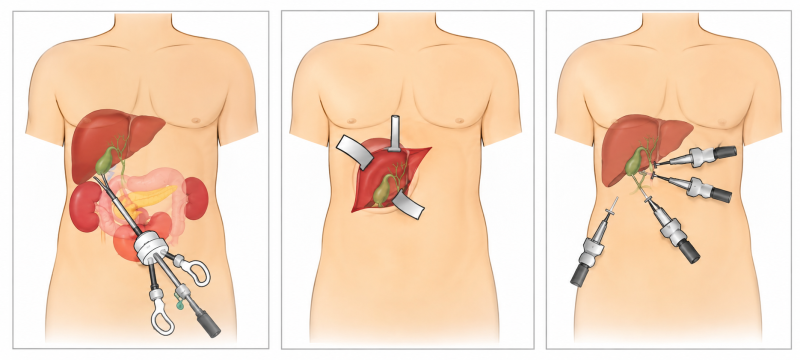
Dr. Wang Xiaoliang – Single-Incision Gallbladder-Preserving Stone Removal
Gallstones do not always require gallbladder removal. Dr. Wang Xiaoliang at Shanghai Pudong Hospital performs single-incision laparoscopic gallbladder-preserving stone removal through the navel, clearing stones while preserving gallbladder function. The procedure offers minimal trauma, fast recovery, and a hidden scar. Strict evaluation of gallbladder function and indications is required, and postoperative health management remains essential.
View details
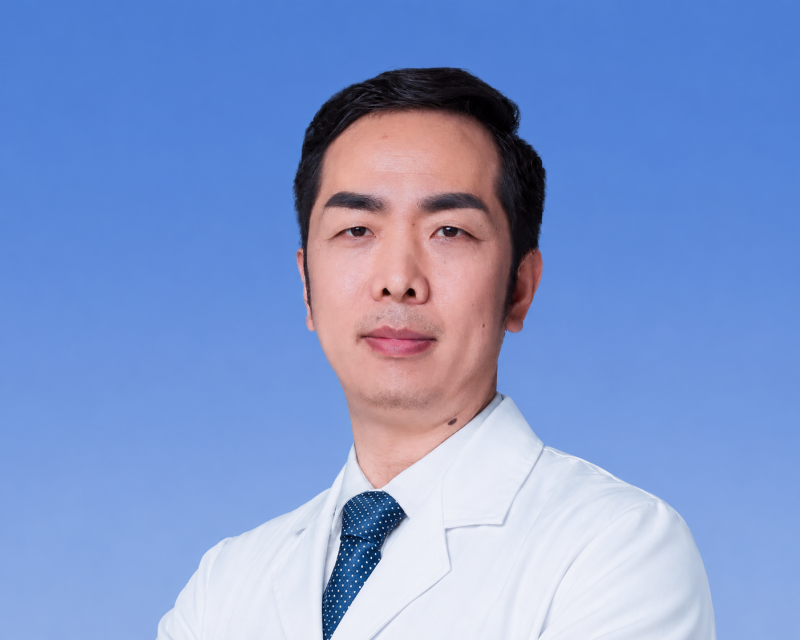
Dr. Wang Xiaoliang – Profile – Chinese Hepatobiliary Surgery Expert, Specialist in Minimally Invasive Gallbladder-Preserving Techniques
Dr. Wang Xiaoliang is the Director of General Surgery and Hepatobiliary Surgery at Fudan University Pudong Medical Center. He specializes in minimally invasive treatment of biliary diseases such as gallbladder stones and common bile duct stones, with a focus on trauma control and enhanced recovery.
View details
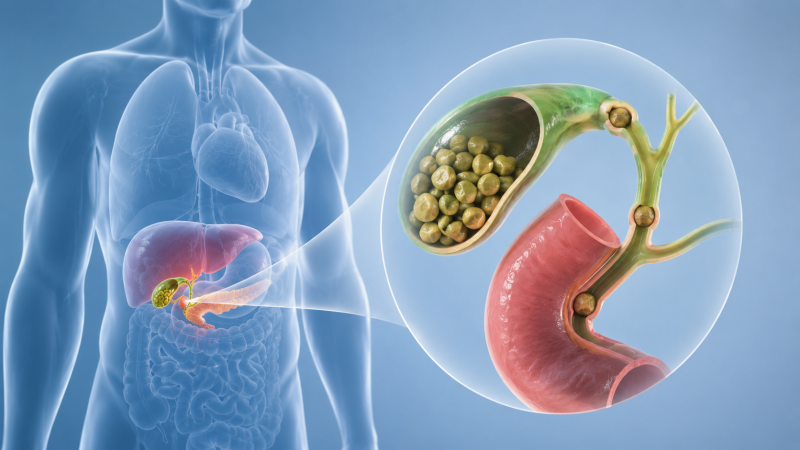
Dr. Xiaoliang Wang – Single-Stage Minimally Invasive Removal of Gallbladder and Bile Duct Stones
Dr. Xiaoliang Wang uses single-port laparoscopy combined with peroral cholangioscopy to provide a single-stage minimally invasive treatment for patients with gallbladder stones and common bile duct stones, avoiding choledochotomy and injury to the sphincter of Oddi, resulting in less trauma and faster recovery.
View details
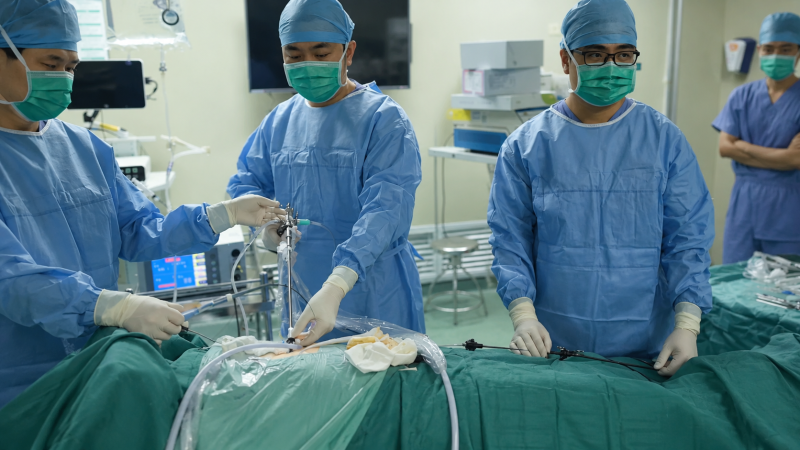
Common Bile Duct Stones: Non-Surgical "Transoral Stone Removal"
Through ERCP, the endoscope enters the digestive tract via the mouth, allowing for endoscopic bile duct stone removal, biliary drainage, and stent placement, offering a less invasive treatment option for patients with common bile duct stones.
View details
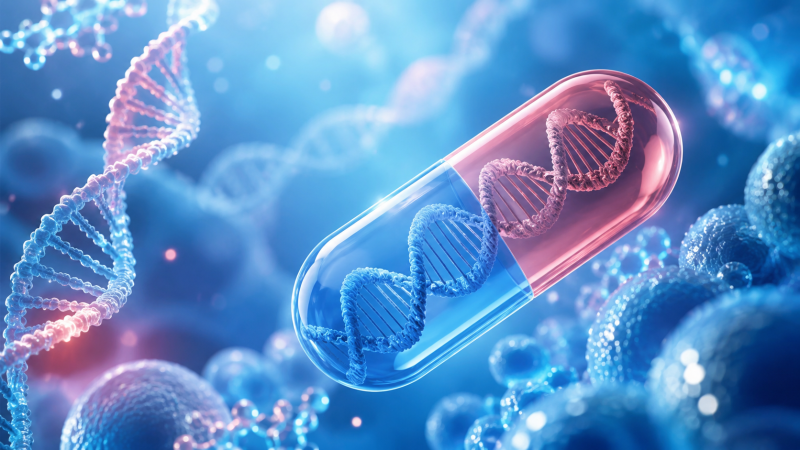
Gene Therapy
Gene therapy targets the root cause of disease by repairing or regulating gene function, offering new treatment approaches for genetic disorders, cancer, and more. China, especially Hainan Boao Lecheng, is emerging as a key global destination for gene therapy.
View details
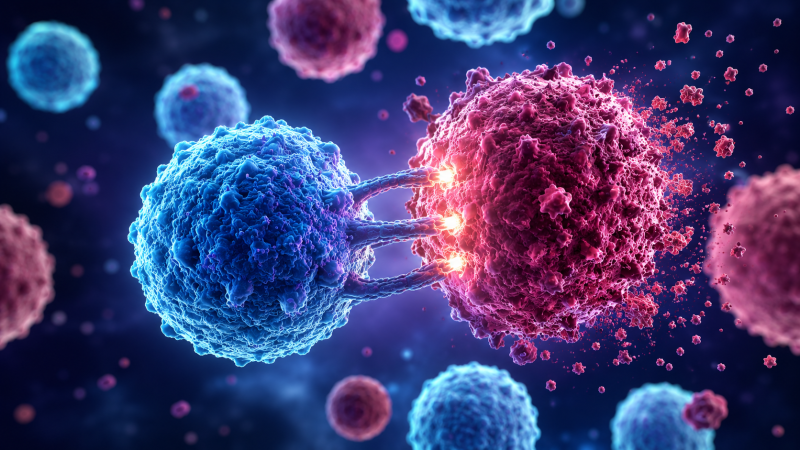
CAR-T Cell Therapy
CAR-T cell therapy engineers a patient’s own T cells to recognize and attack tumors. It is primarily used for certain relapsed or refractory hematologic malignancies, such as B-cell leukemias, lymphomas, and multiple myeloma, offering a new treatment option for patients with limited response to conventional therapies.
View details
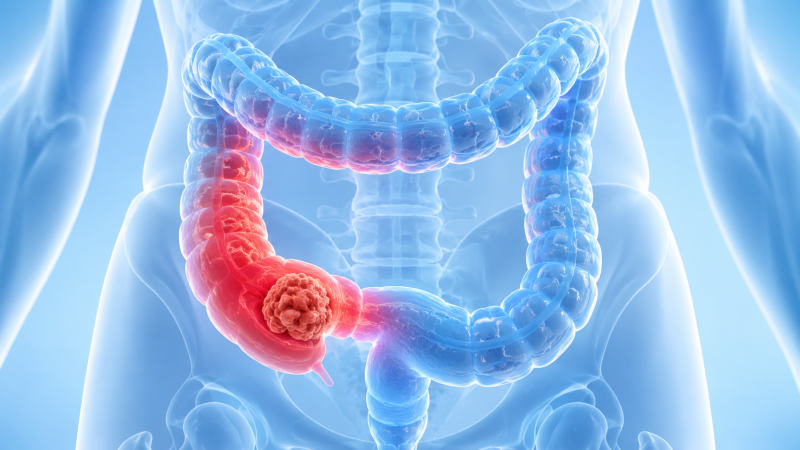
Colorectal Cancer Treatment Guide
Dr. Shen Tao explains the Chinese expert whole-process management guidelines for early-stage colorectal cancer, covering endoscopic evaluation, minimally invasive treatments such as EMR/ESD, and indications for additional surgery, helping patients seize early treatment opportunities, reduce trauma, and preserve function.
View details
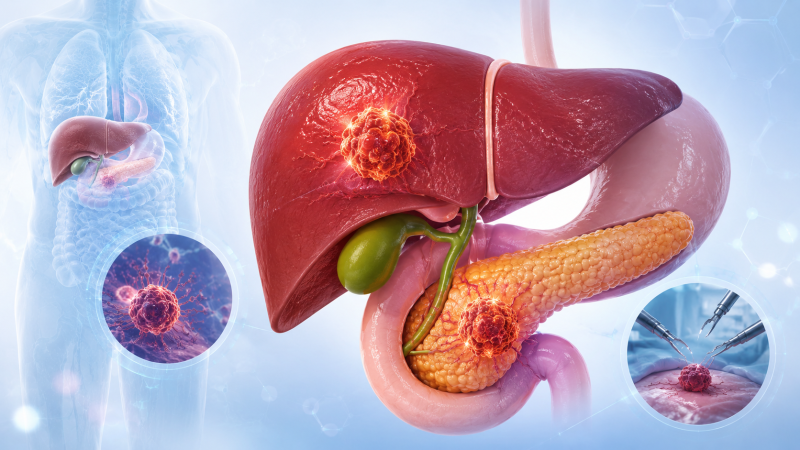
Complex Hepatobiliary and Pancreatic Tumors
With high case volumes, mature multidisciplinary collaboration, and advanced complex resection and reconstruction techniques, China offers comprehensive surgical, conversion therapy, and minimally invasive solutions for patients with liver cancer, cholangiocarcinoma, gallbladder cancer, and pancreatic cancer.
View details
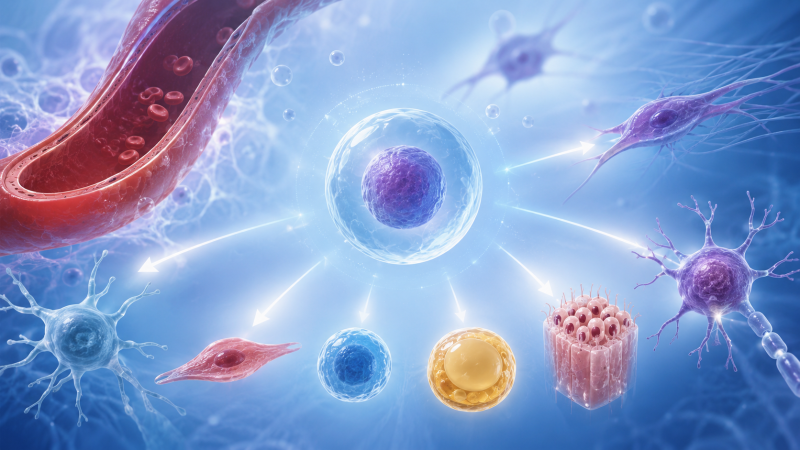
Stem Cells and Regenerative Medicine
Stem cell and regenerative medicine offers new approaches for chronic and degenerative diseases by repairing damaged tissues, modulating immunity, or restoring organ function. The Boao Lecheng Pilot Zone in Hainan, China, has established translational application mechanisms, providing more treatment options for eligible patients.
View details
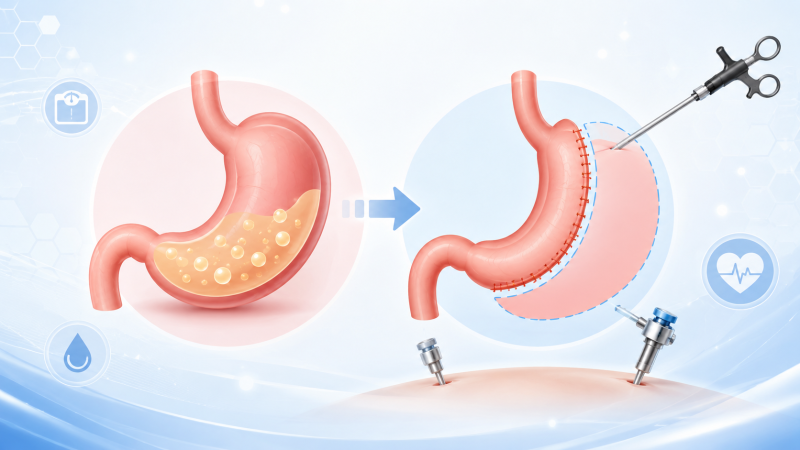
Minimally Invasive Bariatric and Metabolic Surgery
Minimally invasive bariatric and metabolic surgery uses laparoscopic or endoscopic techniques to alter stomach capacity and digestive pathways, helping individuals with moderate to severe obesity and related metabolic conditions such as type 2 diabetes to lose weight and improve blood sugar and lipid levels. Results vary by individual and require thorough evaluation and long-term management.
View details
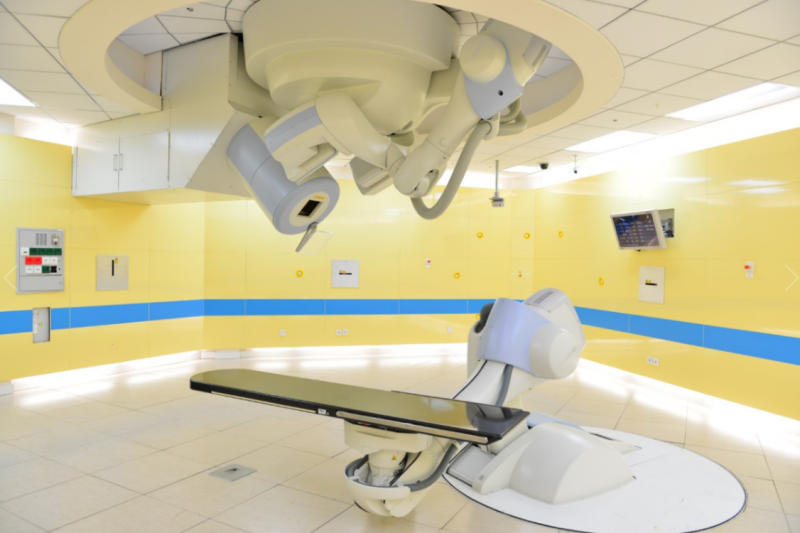
Tumor Heavy Ion Therapy
Heavy ion therapy utilizes the Bragg peak effect of carbon ion beams to precisely target tumors, delivering high lethality to radioresistant, deep-seated, and recurrent solid tumors. China is home to three major heavy ion centers in Shanghai, Wuwei, and Lanzhou, featuring self-developed equipment with transparent and capped treatment costs, offering international patients a cost-effective option.
View details