
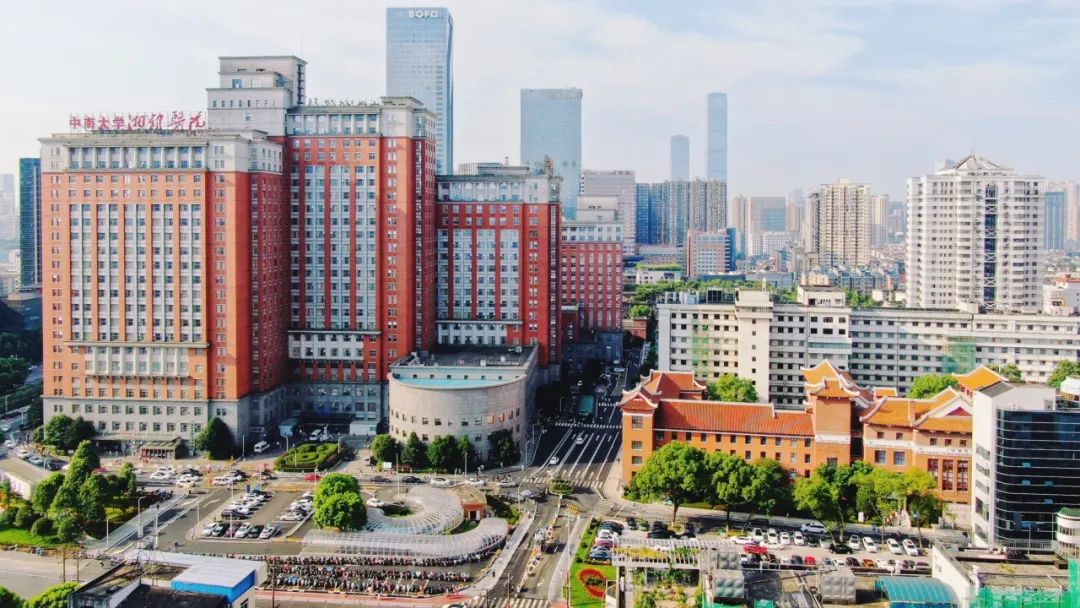
Xiangya Hospital, Central South University
- Hospital TypePublic
- GradeGrade A Tertiary
- CityChangsha
- Founded1906 Est.
Introduction
Founded in 1906, Xiangya Hospital of Central South University is a Grade III Class A general hospital directly under the National Health Commission and an affiliated hospital of Central South University, which is directly administered by the Ministry of Education. In the early 20th century, Yale University alumni established the Yale-China Association, marking the beginning of a significant chapter in medical education in China. In 1906, Dr. Edward H. Hume (1876–1957), an American medical doctor, was sent by the Yale-China Association to China and founded Yale Hospital at Xipailou in Changsha. In 1914, the Hunan provincial government commissioned the Yuqun Society to collaborate with the Yale-China Association to establish China’s first Sino-American higher medical education institution—the Hsiangya Medical College. Yale Hospital was subsequently renamed Hsiangya Hospital, with “Hsiang” representing Hunan and “Ya” being the transliteration of “Yale.” The hospital boasts robust clinical capabilities. It has 3,500 licensed beds and a total floor area of 510,000 square meters. In 2018, it recorded 2.96 million outpatient and emergency visits, 138,000 inpatient discharges, and 74,000 surgeries. It houses 88 clinical, medical technology, and subspecialty departments, 75 wards, and 100 nursing units. The hospital is home to 7 national key disciplines and 25 national clinical key specialties. Its neurology, neurosurgery, dermatology, orthopedics, respiratory medicine, and geriatrics departments rank among the top in China in terms of clinical expertise and scientific impact. Equipped with advanced medical devices such as PET-CT, high-end MRI, digital subtraction angiography (DSA), TOMO therapy, BrainLab neuronavigation system, and Southeast Asia’s first Buzz digital operating room, the hospital’s diagnostic and treatment capabilities remain at the forefront nationally. The hospital maintains a leading level of scientific and technological innovation. It currently hosts 3 national-level research platforms, including the National Clinical Research Center for Geriatric Disorders, the International Joint Research Center for Medical Metabolomics, and the National-Local Joint Engineering Laboratory for Anticancer Drugs, as well as 31 provincial/ministerial key laboratories and research centers. It also publishes 8 national medical journals and 1 English-language journal.